Ethnic Embroidery: A Designer’s Review for Craft Fairs
As an experienced embroidery designer who has spent countless weekends behind a booth table, I know that the difference between a browser and a buyer often comes down to visual impact. When I first opened the files for Ethnic Embroidery, my immediate thought was not just about the aesthetic, but about its potential as a high-converting craft fair product. This collection of Patterns and Graphics offers a distinct vibe that bridges the gap between traditional craftsmanship and modern bohemian trends. For those of us running small shops or Etsy stores, finding designs that translate well from screen to fabric is crucial, and this review breaks down exactly how these assets perform in the real world.
First Impressions and Visual Appeal
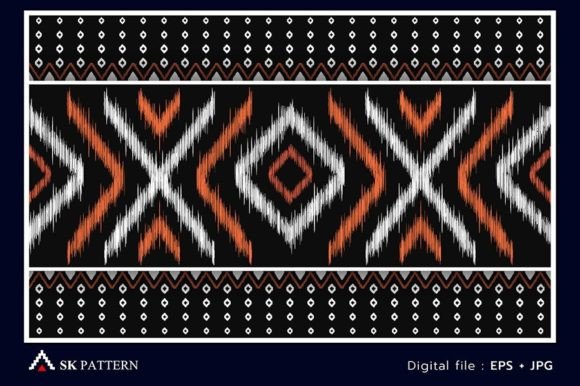
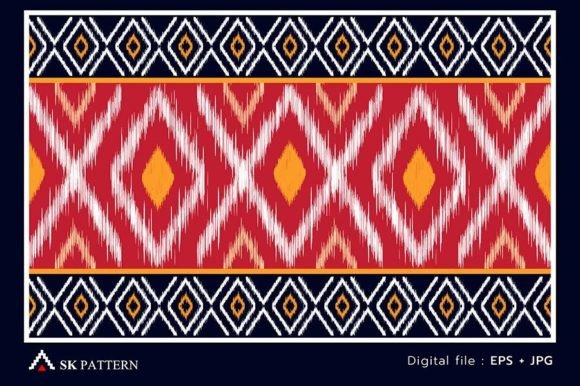
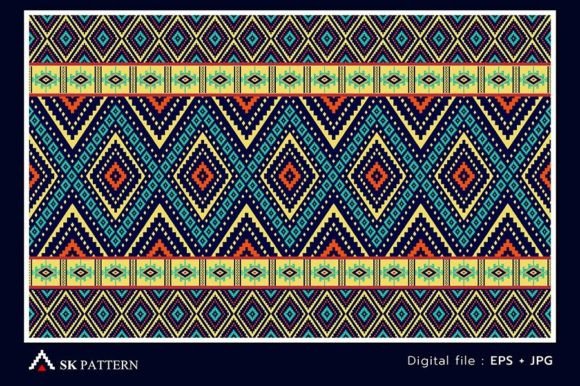
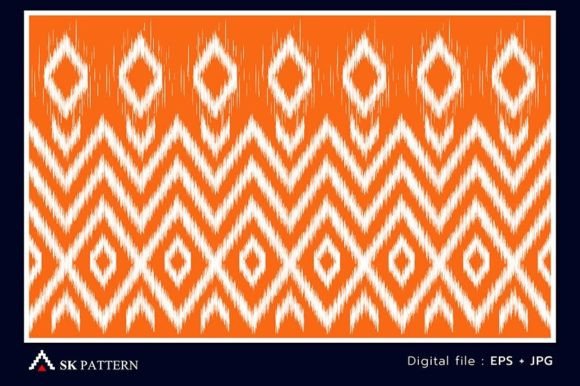
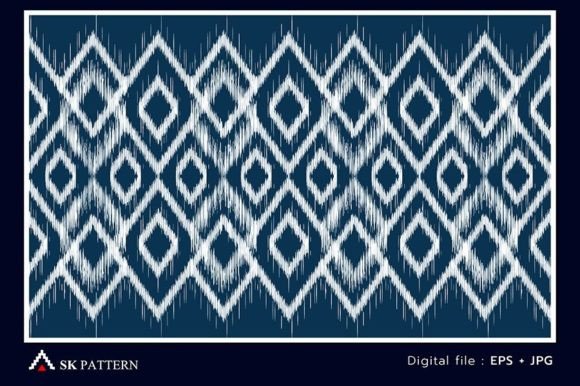
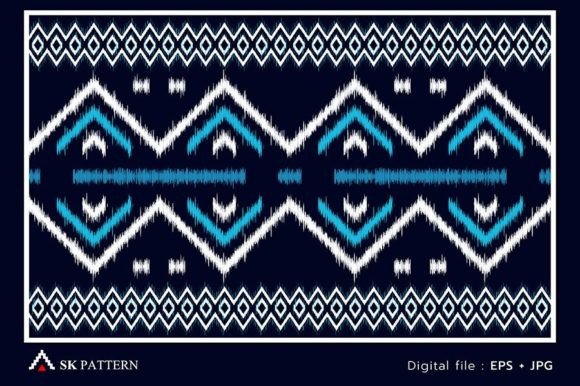
The title alone suggests a rich, cultural depth, but the execution is what matters. Upon reviewing the included files—specifically the 1 EPS file and 1 JPG provided—I noticed that the design leans heavily into bold, decorative motifs. It does not feel minimal or understated; rather, it feels premium and intentional. For a weekend craft fair, where you have seconds to catch a passerby’s eye, this level of detail is advantageous. The design feels rustic yet elegant, making it versatile enough for various demographics. It avoids being overly cute or funny, which limits its audience, and instead opts for a timeless appeal that works for both younger buyers looking for trendy home decor and older customers seeking quality handmade gifts.
Versatility Across Product Lines
One of the strongest aspects of Ethnic Embroidery is its adaptability. The description highlights its suitability for wall art, floor pillows, throw blankets, tapestries, scarves, cushions, dresses, skirts, and even gift wrapping. From a production standpoint, this versatility is a goldmine. Here is how I see it performing on specific items:
- Tote Bags and Market Bags: This is perhaps the strongest application. A large-scale version of this design on a canvas tote creates an instant statement piece. It transforms a basic utility item into a fashion accessory, significantly increasing the perceived value of the finished product.
- Aprons and Tea Towels: For kitchen-focused buyers, placing this design as a focal point on an apron bib or hemming a tea towel adds a touch of sophistication. It elevates standard kitchen linens into giftable heirlooms.
- Pillow Covers and Tapestries: Home decor is a massive category at craft fairs. The intricate nature of ethnic patterns looks stunning when scaled up for throw pillows or wall hangings. It allows the stitch work to breathe, showcasing the texture and thread colors effectively.
- Apparel: While possible on dresses and skirts, this requires careful placement. The design works best as a border print or a central chest motif, ensuring it does not distort over curved body areas.
Production Practicality for Small Shops
For the Etsy seller or boutique maker, batch production is key to profitability. Ethnic Embroidery appears to be designed with repeatability in mind. Because it is provided as a digital embroidery file and graphic asset, you can standardize your workflow. However, there are critical technical considerations to keep in mind before you start stitching hundreds of units.
First, consider the stitch density. Ethnic patterns often involve complex fills and satin stitches. If the design is too dense, it can cause puckering, especially on lighter fabrics like cotton scarves or thin dress materials. Always test the design on scrap fabric that matches your final product material. Check your hoop size compatibility; if the design is large, ensure your machine can handle the dimensions without requiring excessive re-hooping, which slows down production.
Second, think about thread colors. The success of this design relies heavily on contrast. On dark fabrics, you may need to use a underlay or switch to brighter, metallic, or high-contrast threads to ensure the details do not get lost. Conversely, on textured towels, fine details might disappear. In such cases, simplifying the design or using thicker threads can help maintain clarity.
Navigating Technical Challenges
When applying this design to curved surfaces like caps or small pouches, distortion is a risk. The geometric nature of many ethnic patterns means that any warping will be noticeable. I recommend using a strong cut-away stabilizer for caps and structured bags to maintain the integrity of the shape. For smaller items like embroidered patches or coin purses, ensure the design is scaled down appropriately. Tiny lettering or micro-details within the pattern may merge together if the scale is too small, resulting in a muddy appearance. Always inspect the design at 100% zoom on your computer before sending it to the machine.
Marketing and Brand Consistency
Beyond the stitching, how does Ethnic Embroidery help your brand? It projects an image of worldly sophistication and artisanal quality. Using this design consistently across your booth display—on your own apron, your table runner, and your sample products—creates a cohesive brand story. It signals to customers that you are not just selling random items, but curated pieces with a distinct aesthetic.
For online listings, the included JPG file is invaluable for creating printable mockups. High-quality visuals are essential for converting clicks into sales. Use the graphic asset to overlay on lifestyle photos, showing the design on a throw blanket draped over a sofa or a scarf worn in natural light. This helps customers visualize the handmade product in their own lives, bridging the gap between digital browsing and physical ownership.
Final Verdict and Licensing Notes
Before you commit to a full production run, there are administrative steps to take. The product description mentions files included are 1 EPS file and 1 JPG. It does not explicitly state the stitch file formats (such as PES, DST, or JEF) or the exact stitch count. As a professional, I advise you to contact the seller or check the detailed product page to confirm that the digital embroidery file is compatible with your specific machine brand. Additionally, verify the commercial licensing terms. While the description implies use for commercial embroidery products, always ensure you have the right to sell finished goods made from these design assets.
In conclusion, Ethnic Embroidery is a robust addition to any designer’s library. It offers the boldness needed to stand out in a crowded craft fair aisle while providing the elegance required for higher-priced boutique items. By paying attention to fabric texture, stabilizer choice, and scale, you can turn these graphics into best-selling staples for your small shop. Whether you are creating tote bag designs, apron embroidery, or decorative tapestries, this pattern holds the potential to elevate your brand and engage buyers who appreciate the unique charm of handmade quality.