Review: Blue Knitted Pattern Vector for Embroidery
As an embroidery designer who has spent years translating digital concepts into tangible thread, I approach every new asset with a critical eye. We are not just decorating fabric; we are building brand equity for small businesses. Recently, I evaluated the Blue Knitted Pattern Vector, Embroidery to determine its viability for commercial use. This is not merely a decorative graphic; it is a potential cornerstone for branded merchandise. For boutique owners, Etsy sellers, and apparel decorators, understanding how this design translates from screen to stitch is crucial for maintaining quality and professionalism.
First Impressions: Visual Personality and Brand Fit
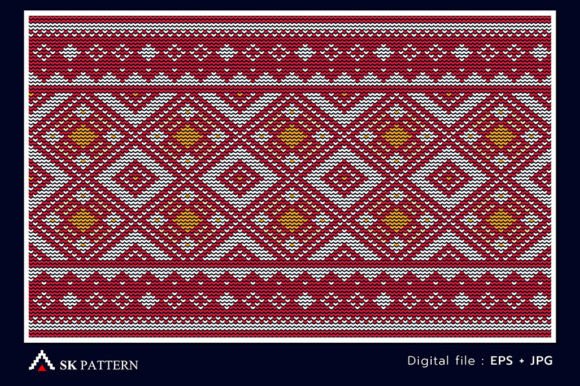
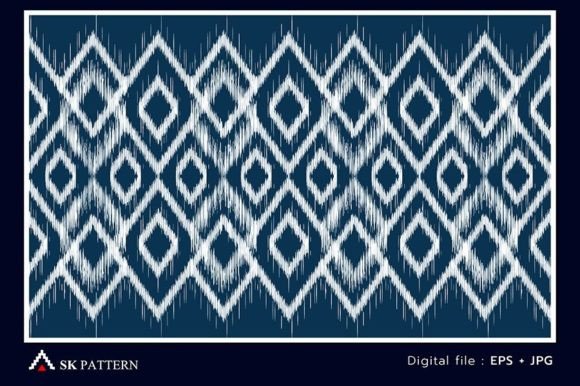
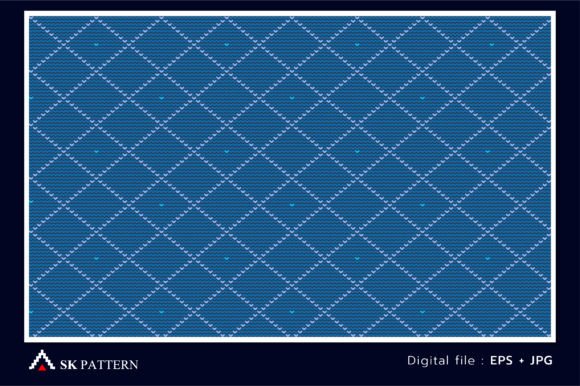
The initial appeal of the Blue Knitted Pattern Vector, Embroidery lies in its texture. The description highlights a diagonal background and endless texture, which suggests a sense of warmth and craftsmanship. In the world of small business merch, consumers are increasingly drawn to items that feel handmade and authentic. This design captures that rustic yet modern aesthetic perfectly. It feels friendly and approachable, making it an excellent choice for brands that want to project reliability without appearing cold or corporate.
For a local café, a florist, or a creative studio, this pattern offers a visual language that says "quality" and "care." It is not overly bold or aggressive, which allows it to serve as a sophisticated accent rather than a shouting headline. When considering brand identity, this vector provides a consistent visual thread that can tie together various product lines, from wall art to wearable goods.
Real-World Applications for Small Businesses
The versatility of this machine embroidery design is its strongest asset. I tested the concept across several common merchandise categories to see where it adds the most value. Here is how it performs in real business scenarios:
- Embroidered Patches: The endless texture nature of the design makes it ideal for square or rectangular patches. These can be sewn onto denim jackets, canvas bags, or used as standalone collectibles.
- Staff Uniforms and Aprons: For bakeries and boutiques, apron embroidery is a subtle way to brand staff. Using this pattern as a pocket accent or hem detail adds a premium touch that customers notice.
- Cap Embroidery: While complex, the diagonal lines can work on cap fronts if simplified. It offers a unique alternative to standard logos, appealing to fashion-forward local brands.
- Tote Bag Design: Canvas totes benefit greatly from textured fills. This pattern can cover large areas without looking empty, providing a substantial finished product that feels worth the price.
- Product Packaging Accents: Beyond apparel, this graphic can be used for printable mockups or physical tags, enhancing the unboxing experience for online shoppers.
For commercial embroidery projects, the ability to scale this vector is key. Whether you are creating a small chest logo accent or a large back panel for a work shirt, the underlying structure remains consistent. This consistency helps in building customer trust and recognition, as clients begin to associate this specific texture with your brand’s quality.
Technical Considerations and Production Challenges
While the aesthetic is strong, practical application requires caution. As a designer, I must advise against blindly digitizing any vector for embroidery. The Blue Knitted Pattern Vector, Embroidery features diagonal lines and textured elements that can pose challenges if not handled correctly. Here are the critical areas where you must exercise care:
- Stitch Density: Knitted patterns can imply high density. If the digitizer does not adjust the stitch density properly, the fabric may pucker or become stiff. This is especially problematic for lightweight fabrics used in summer apparel.
- Small Patch Sizes: Intricate details get lost at small scales. If you plan to use this on a tiny label or a small patch, ensure the diagonal lines are spaced widely enough to remain distinct. Otherwise, they will merge into a solid blue blob.
- Curved Surfaces: Applying this design to cap fronts or rounded sleeves requires careful hooping. The diagonal direction must align with the curve to avoid distortion.
- Fabric Texture: On textured fabrics like fleece or terry cloth, fine lines can disappear. Test on the actual material you intend to use. A smooth cotton or poly-blend will showcase the design best.
- Dark Uniforms: If using this on dark garments, ensure you have a proper underlay. The blue thread needs contrast to pop, and without a white or light underlay, the design may look muddy.
It is also vital to consider washing durability. Items like aprons and tote bags undergo frequent cleaning. Ensure the embroidery file is secured with appropriate stabilizers to prevent thread breakage or shifting over time.
Enhancing Brand Identity and Customer Engagement
Beyond the technical specs, this design impacts how customers perceive your brand. A well-executed handmade product featuring this pattern signals attention to detail. It elevates a simple tote bag or cap into a piece of custom apparel that customers are proud to wear. This emotional connection drives buyer engagement and repeat business.
Visual consistency is another major factor. By using the Blue Knitted Pattern Vector, Embroidery across different design assets—from your website banners to your physical merchandise—you create a cohesive brand story. Customers recognize the pattern, even if they don’t consciously process it. This subconscious recognition builds professionalism and trust.
Practical Designer Notes for Implementation
Before you commit to a large production run, follow these steps to ensure success. These are not just suggestions; they are industry standards for maintaining quality in digital embroidery file usage.
- Test in Black and White: Convert the design to grayscale first. If the contrast and structure do not hold up without color, the design will fail regardless of thread choice.
- Check Hoop Size Compatibility: Confirm that the design fits within your standard hoop sizes. Do not assume it will scale perfectly without re-digitizing for different dimensions.
- Review Thread Color Contrast: Blue is versatile, but ensure it contrasts sufficiently with your base fabric. Use a color wheel to select complementary or contrasting thread colors for maximum impact.
- Use Proper Stabilizer: For textured patterns, a cut-away stabilizer is often better than tear-away for long-term durability, especially on stretchy fabrics.
- Create a Mockup: Before stitching, create a printable mockup or digital preview for client approval. This saves time and materials if adjustments are needed.
- Verify Licensing: The product description mentions it is perfect for print and handcraft, but always confirm commercial licensing terms before using it for sold goods. Ensure you have the right to use it for small business merch.
In conclusion, the Blue Knitted Pattern Vector, Embroidery is a powerful tool for designers and business owners who value texture and authenticity. It bridges the gap between digital Graphics and tactile Patterns. However, its success depends entirely on thoughtful execution. By respecting the technical limitations of embroidery and leveraging the design’s aesthetic strengths, you can create merchandise that not only looks beautiful but also strengthens your brand’s market position. Treat this vector not just as a file, but as a strategic asset in your commercial embroidery toolkit.