Reviewing the White and Green Heart Embroidery Pattern
As a designer who has spent countless hours hooping fabric, trimming jump stitches, and troubleshooting tension issues, I approach every new machine embroidery design with a critical eye. It is not enough for a file to look pretty on a screen; it must perform under the needle. Recently, I evaluated the White and Green Heart Embroidery Pattern, a graphic that promises a blend of retro charm and modern simplicity. This review breaks down how this specific embroidery file holds up in real-world applications, from boutique merchandise to personalized gifts.
First Impressions: Mood and Visual Personality
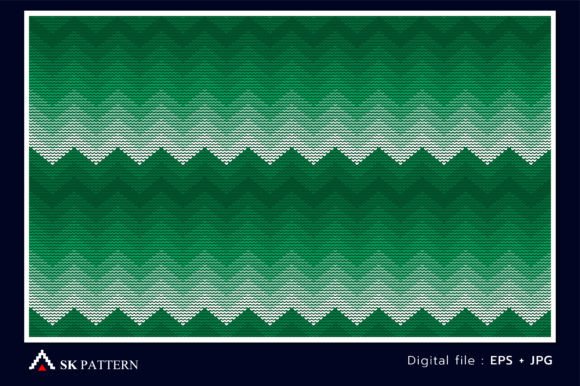
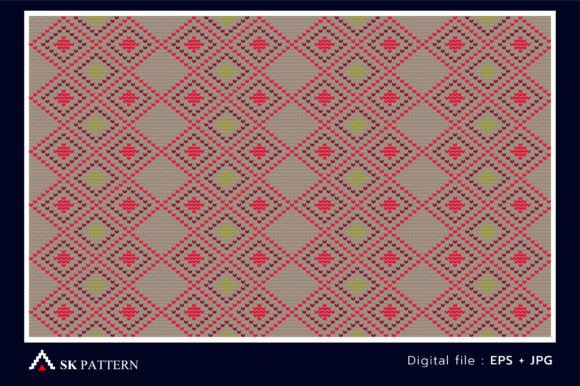
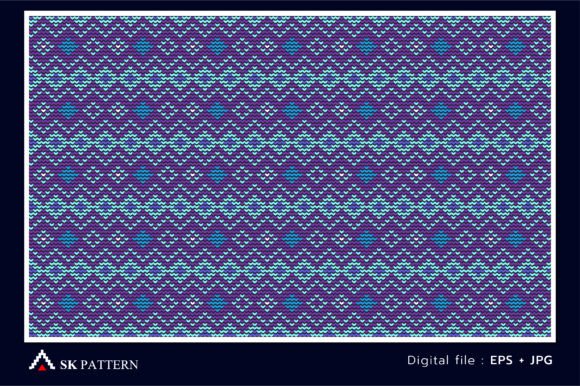
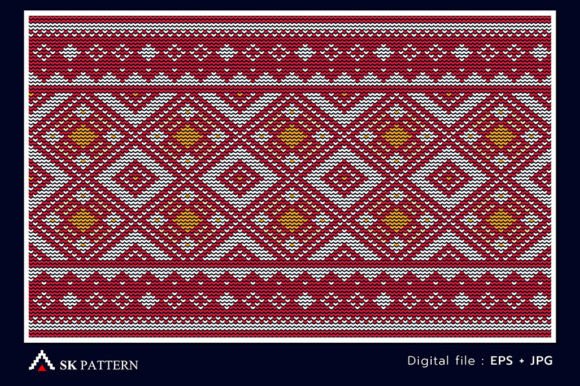
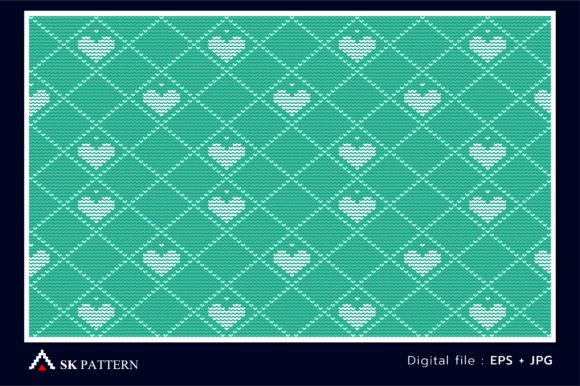
The initial appeal of the White and Green Heart Embroidery Pattern lies in its distinct aesthetic fusion. The description highlights a "Knitted Diagonal Background" and "Vector Tribal Crochet seamless" elements, which immediately suggests a texture-rich visual experience. In the world of Graphics and Patterns, combining the softness of a heart motif with the structured, geometric feel of tribal or crochet lines creates an interesting tension. It feels handcrafted yet precise.
The color palette—white and green—is inherently fresh and organic. For an embroidery project, this contrast is vital. White thread on green fabric, or vice versa, offers high visibility without being jarring. The "Handcraft Endless retro" vibe suggests that this design is not trying to be hyper-realistic but rather stylized and iconic. This makes it versatile for various design assets, appealing to customers who value artisanal quality over mass-produced perfection.
Real-World Application: From Screen to Stitch
To truly test the viability of this design, I imagined several practical scenarios where a craft business or Etsy seller might deploy it. The most natural fit appears to be home decor and casual apparel. Consider a tote bag design made from heavy canvas. The diagonal background elements would provide substantial coverage, making the bag feel premium and durable. Similarly, for sweatshirt embroidery, the pattern’s density could add warmth and texture to the chest area, creating a focal point that draws the eye.
I also considered its use in baby embroidery. A nursery pillow cover featuring this heart motif would exude calm and comfort. However, the "tribal" and "diagonal" aspects mean the design has movement. On a curved surface like a cap or a rounded pillow, one must ensure the distortion does not break the continuity of the seamless pattern. For holiday embroidery, particularly spring or Easter themes, the green hue aligns perfectly with nature-inspired collections, offering a fresh alternative to traditional pastels.
Stitching Performance and Technical Considerations
When dealing with a design described as having a "knitted" or "crochet" background, stitch density becomes a primary concern. A fill stitch used to mimic knitting can become bulky if not optimized. If you are stitching this onto a custom apparel piece like a t-shirt, excessive density can cause puckering. Therefore, using the correct stabilizer is non-negotiable. A cut-away stabilizer is likely necessary for stretchy fabrics to maintain the integrity of the diagonal lines.
The interplay between satin stitch borders and fill areas is crucial for clarity. If the white heart outline relies on satin stitches, they must be tight enough to prevent gaps but not so dense that they tunnel the fabric. For an embroidered patch, this design would shine because the backing provides stability, allowing for higher stitch counts without fabric distortion. However, for direct-to-garment projects, I recommend running a test on scrap fabric first. Check how the thread colors interact with your specific material. A bright white thread can sometimes appear grayish on dark greens if the underlay is insufficient.
Where to Use Caution
While the White and Green Heart Embroidery Pattern is visually striking, it is not universally suitable for every substrate. Thin or delicate fabrics, such as silk or lightweight rayon, may struggle with the weight of the "knitted" background. The continuous diagonal lines require consistent tension; any fluctuation in machine performance will be visible as uneven texture.
Additionally, small hoop sizes present a challenge. If the design is scaled down too much, the intricate details of the "vector tribal" elements may merge, losing their definition. Always verify the minimum recommended hoop size before purchasing. For items that undergo frequent washing, such as kitchen towels or baby clothes, ensure that the stitch direction does not create weak points where threads might snag or unravel over time.
Enhancing Product Value and Brand Consistency
For small shop product lines, consistency is key. This design’s retro-modern aesthetic can help establish a recognizable brand identity. When used in printable mockup previews, the high contrast of white and green pops effectively on digital platforms, increasing buyer engagement. Customers often associate complex textures like crochet or knitting with higher effort and value, even when achieved through machine embroidery. This perception can justify a higher price point for your handmade product.
Furthermore, the versatility of the design allows it to bridge seasonal gaps. It is not strictly tied to one holiday, making it a reliable asset for year-round sales. Whether used for a personalized gift or a standard inventory item, the professional finish of a well-executed stitch-out builds customer trust. A clean, crisp finished product reflects well on the maker’s attention to detail.
Practical Designer Notes
- Test Before Production: Always stitch out a sample on the exact fabric type you intend to use. Fabric texture significantly affects how the diagonal background renders.
- Check Licensing: Before selling items made with this digital embroidery file, confirm the license terms. Ensure it covers commercial use for physical goods.
- Contrast Matters: If using green thread on white fabric, ensure the green is dark enough to stand out. Light greens may get lost in the weave.
- Stabilizer Selection: Match the stabilizer to the fabric weight. Heavier backgrounds require more support to prevent distortion.
- Mockup Verification: Create black and white mockups to check for value contrast. If the design looks flat in grayscale, it may lack depth in person.
In conclusion, the White and Green Heart Embroidery Pattern offers a compelling blend of texture and symbolism. It is best suited for makers who understand the technical demands of dense, textured designs and have the equipment to handle them. With proper preparation and attention to detail, this embroidery project can elevate your portfolio, adding a touch of retro sophistication to your commercial embroidery offerings.