Review: Red and White Embroidery Vector Pattern
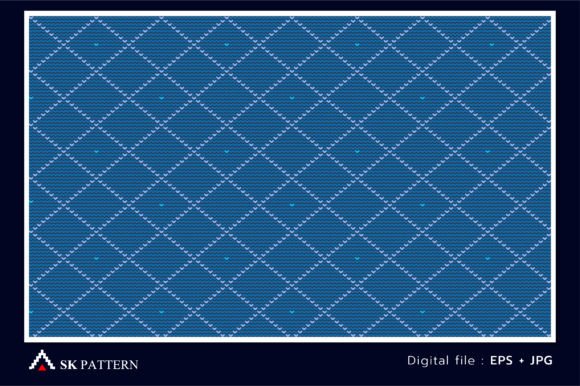
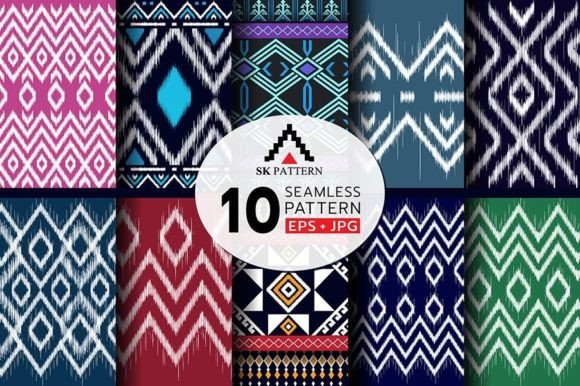
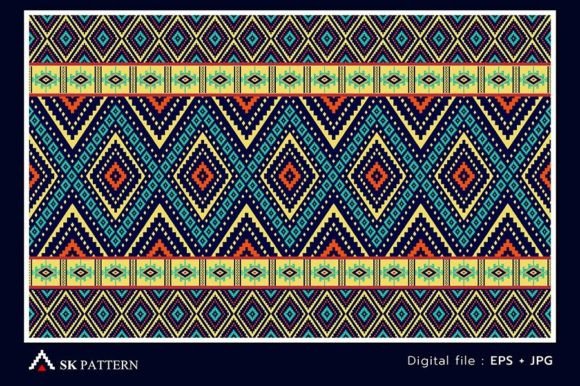
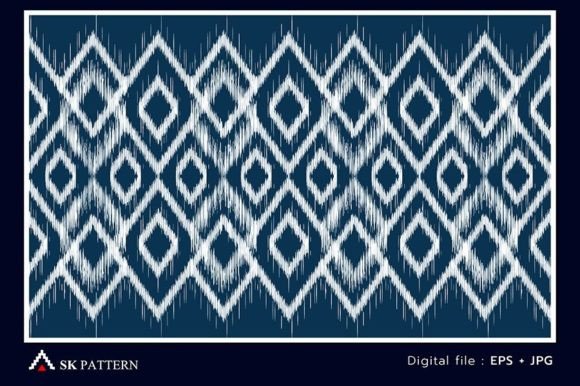
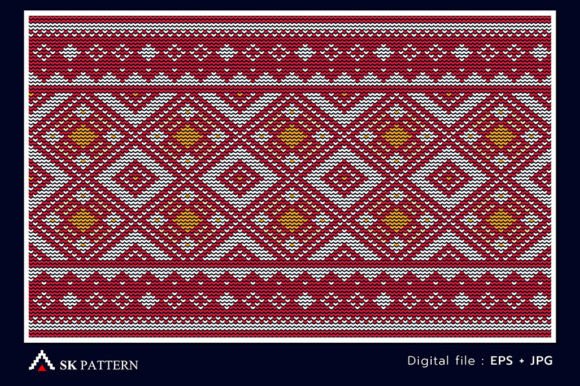
As a designer who has spent countless hours digitizing files and troubleshooting hoop jumps, I approach every new embroidery file with a mix of curiosity and skepticism. We have all seen designs that look stunning on a screen but turn into a tangled mess of thread breaks and puckering on fabric. Recently, I evaluated the Red and White Embroidery Vecotr Pattern, a graphic asset described as a knit antique background with ethnic craft influences. While this is technically a vector pattern intended for digital print and textile style seamless repeats, its visual language offers significant insights for those of us working in the embroidery space, particularly when translating printed aesthetics into stitched reality.
First Impressions and Visual Mood
The immediate appeal of this design lies in its high-contrast palette. The combination of deep red and crisp white creates a bold, festive atmosphere that feels both traditional and modern. The "knit antique" description suggests a texture that mimics hand-knitted fabrics, which is a popular trend in home decor and winter apparel. For an embroidery designer, this visual texture is crucial. It implies a need for careful consideration of stitch density and direction. If you were to digitize a motif inspired by this pattern, you would need to replicate that cozy, woven feel without making the garment stiff or heavy.
The ethnic craft elements add a layer of cultural richness, making it suitable for projects that aim for a boutique, handmade aesthetic. This is not a generic clipart style; it has personality. When I visualize this pattern applied to a tote bag design or a sweatshirt embroidery project, I see a product that stands out on a crowded marketplace like Etsy. It speaks to customers looking for authenticity and warmth.
Real-World Application Scenarios
To truly test the viability of such a design, I imagine a specific client scenario. Suppose a small shop owner wants to launch a holiday collection featuring personalized gifts. They might choose this red and white theme for a line of kitchen towels or aprons. The seamless nature of the pattern means it can be scaled to fit various hoop sizes, from a small 4x4 inch patch on a napkin to a larger fill area on a pillow cover.
For baby embroidery items, such as a receiving blanket or a onesie, the softness of the "knit" visual is appealing. However, practical judgment is required here. A dense fill stitch mimicking a knit texture might be too rough for sensitive skin. In this case, using a lighter running stitch or a sparse satin stitch border could capture the essence of the design while maintaining comfort. For holiday embroidery on adult apparel, like a festive cap or a winter scarf, the full density might work beautifully, adding substantial value to the finished product.
Considerations for Fabric and Technique
One of the most critical aspects of using any complex pattern is understanding how it interacts with fabric texture. This red and white design, with its intricate details, requires a stable base. Stretchy fabrics like jersey knits can distort detailed ethnic motifs if not properly stabilized. I always recommend using a cut-away stabilizer for garments that will be washed frequently, ensuring the design retains its shape and clarity.
When working with dark fabrics, the white elements of the pattern will pop, but the red might blend in if the shade is too similar to the background. Conversely, on light fabrics, the red becomes the focal point. It is essential to test thread colors against your specific material. A vibrant crimson may look different on cotton than on polyester. Always run a test stitch on scrap fabric to check for color accuracy and stitch registration before committing to the final custom apparel piece.
Navigating Technical Challenges
While the visual appeal is strong, there are areas where caution is needed. Tiny details in ethnic patterns can become lost if the stitch density is too high or if the needle size is inappropriate. For smaller hoop sizes, simplifying the design might be necessary to prevent thread breaks. Curved surfaces, such as caps or sleeves, present another challenge. The seamless repeat might need adjustment to avoid distortion around the curve.
If you are using this as a reference for a digital embroidery file creation, pay attention to the corners and intersections of the pattern. Dense areas can cause puckering, especially on thin fabrics. Using a combination of stitch types—such as using fill stitch for larger areas and satin stitch for borders—can help manage bulk and improve the overall finish. For embroidered patch production, consider using a twill backing to provide extra stability for the intricate details.
Enhancing Brand Value and Customer Trust
For Etsy sellers and creative entrepreneurs, the quality of the design directly impacts brand perception. A well-executed red and white pattern can elevate a simple handmade product into a premium item. Customers associate clean, precise stitching with professionalism. When the design aligns with the brand’s aesthetic—whether it is rustic, modern, or traditional—it builds trust and encourages repeat business.
Using this pattern in printable mockup previews can also boost engagement. Showing potential buyers how the design looks on a throw blanket or a floor pillow helps them visualize the final result. This transparency reduces hesitation and increases conversion rates. Ensure that your marketing materials accurately reflect the texture and scale of the embroidery to manage customer expectations.
Practical Designer Notes
Before integrating this pattern into your workflow, keep these practical tips in mind:
- Test on Scrap Fabric: Always stitch a sample on the same type of fabric you plan to use for the final product. Check for puckering, thread breaks, and color vibrancy.
- Check Stitch Density: If digitizing from the vector, ensure the density is appropriate for the fabric weight. Too dense, and it becomes stiff; too sparse, and the fabric shows through.
- Verify Licensing: Since this is a vector pattern for digital print, confirm whether the license allows for commercial use in embroidered goods. Some graphic licenses do not cover physical product sales.
- Contrast is Key: Ensure there is sufficient contrast between the thread colors and the fabric. Use black and white mockups to check value distribution.
- Stabilizer Selection: Choose the right stabilizer for the fabric. Cut-away for knits, tear-away for wovens, and wash-away for delicate or sheer materials.
In conclusion, the Red and White Embroidery Vecotr Pattern offers a rich visual foundation for various creative projects. Whether you are creating commercial embroidery for a boutique or crafting personalized gifts for friends, understanding the technical implications of the design is key. By paying attention to fabric choice, stitch technique, and detail management, you can transform this graphic asset into a stunning tactile experience. It is a reminder that in our digital age, the connection between screen and stitch remains vital for creating meaningful, high-quality design assets and finished goods.