Panda Ornaments Embroidery: A Designer’s Review
As an embroidery designer who has spent years digitizing files for boutique brands and large-scale merchandise operations, I approach every new asset with a critical eye. It is not enough for a design to simply look cute on a screen; it must translate flawlessly onto fabric, withstand the rigors of commercial production, and elevate the brand identity of the business using it. Today, I am reviewing Panda Ornaments Cute Animals Embroidery, a digital asset that promises versatility for both novice crafters and seasoned professionals. This review focuses on its viability for small business merch, branded patches, and custom apparel applications.
First Impressions: Visual Personality and Brand Fit
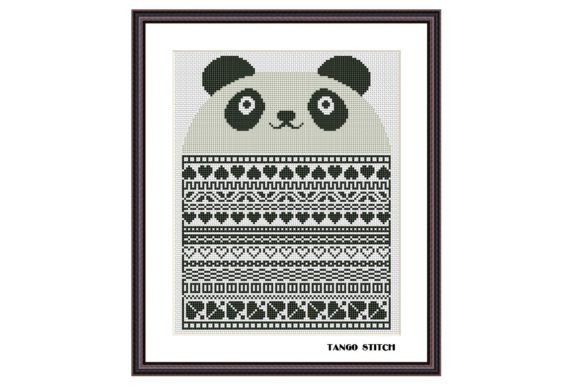
The immediate impression of Panda Ornaments Cute Animals Embroidery is one of approachable charm. In the world of branding, "cute" is a powerful tool when used correctly. It disarms the customer and creates an emotional connection. This design feels playful yet structured, making it suitable for businesses that want to project a friendly, handmade, and welcoming image. Think of local bakeries, pet boutiques, florists, or creative studios that rely on personal touch rather than corporate sterility.
Because the product description notes that this is a cross stitch pattern using only full stitches, the aesthetic leans towards a rustic, traditional craft feel. This is distinct from the sleek, satin-stitch heavy designs often seen in corporate uniforms. For a handmade brand or an Etsy seller, this texture adds authenticity. It signals to the buyer that care and tradition are embedded in the finished product. However, for high-end luxury brands seeking a minimalist modern look, this might feel too decorative unless applied with strategic minimalism.
Performance in Real Business Applications
When evaluating Panda Ornaments Cute Animals Embroidery for commercial use, we must look beyond the digital preview. How does it perform on actual goods? Here is how I envision this design working across various merchandise categories:
- Embroidered Patches: This is perhaps the strongest application. The bold shapes of a panda ornament translate well to patch form. A well-made patch can be sold as a standalone item or used as a value-add for clothing purchases. Ensure you check the stitch density to prevent puckering on smaller patch sizes.
- Apron Embroidery: For cafes and bakeries, staff aprons are walking billboards. Placing this design on the chest pocket or lower corner of an apron adds a whimsical touch that customers love to photograph. It humanizes the staff and reinforces the shop’s cozy atmosphere.
- Tote Bag Design: Canvas tote bags are a staple for eco-conscious brands. The cross stitch style complements the natural texture of canvas beautifully. It serves as a subtle brand marker that doesn’t scream "advertisement" but rather suggests lifestyle alignment.
- Cap Embroidery: Using this on caps requires caution. The curved surface of a cap front can distort detailed designs. If the panda ornament has fine details, they may get lost. I recommend testing a simplified version or ensuring the hoop size accommodates the curvature without distortion.
- Product Packaging Accents: Small embroidered tags attached to handmade products can significantly increase perceived value. This design could work as a charming seal on gift wrapping or a tag on knitted goods.
Technical Considerations for Production
While the description states this is suitable for beginner and expert stitchers, commercial production demands precision. Since this is categorized under Cross Stitch Patterns and Graphics, it is crucial to understand the file type you are purchasing. If you are running a machine embroidery shop, you need a proper digital embroidery file format (such as PES, DST, or EXP), not just a PDF chart. Always confirm the file formats included before purchase.
One major advantage noted is the use of only full stitches. This simplifies the stitching process and reduces thread breaks, which is vital for high-volume production. However, you must still consider stitch density. Cross stitch styles can become dense quickly. On lightweight fabrics like thin cotton t-shirts, high density can cause stiffness or fabric pull. Always use a appropriate stabilizer—cut-away for stretchy fabrics, tear-away for stable wovens—to support the design.
Another critical factor is thread colors. Panda designs typically rely on high contrast between black and white. On dark uniforms, the white areas will pop, but the black areas may disappear. Conversely, on light fabrics, the black outlines define the shape clearly. I advise creating a printable mockup in both colorways to see which offers better visibility for your specific brand palette.
Strategic Placement and Cautionary Notes
Not every surface is ideal for every design. While Panda Ornaments Cute Animals Embroidery is versatile, there are scenarios where it should be used carefully:
- Small Patch Sizes: If scaling down for a tiny label, ensure the details do not merge. Cross stitch patterns rely on grid-like structures; if the grid becomes too small, the image loses definition.
- Textured Fabric: On highly textured materials like fleece or thick wool, the crisp lines of cross stitch may soften. This can be a desired aesthetic for a rustic look, but it may look unintentional if precision is expected.
- Frequent Washing: Items like staff uniforms undergo rigorous washing cycles. Ensure the thread quality is high-grade polyester or rayon to maintain color vibrancy and structural integrity over time.
- Curved Surfaces: As mentioned with caps, avoid placing complex geometric cross stitch patterns on highly curved areas unless the digitization accounts for push and pull compensation.
Enhancing Brand Identity and Customer Trust
Incorporating unique design assets like Panda Ornaments Cute Animals Embroidery into your product line does more than decorate; it builds brand identity. Consistency in visual elements helps customers recognize your brand instantly. When a customer sees this specific panda motif on your tote bag, then again on your social media graphics, and finally on the thank-you card in their package, it creates a cohesive narrative.
This consistency fosters trust. It shows that attention to detail extends to every aspect of the business. For handmade sellers, using a distinctive embroidery design differentiates your handmade product from mass-produced imports. It adds a layer of artisanal value that customers are willing to pay a premium for. Furthermore, playful designs encourage engagement. Customers are more likely to share photos of cute, well-executed embroidery on social media, providing organic marketing for your small business.
Final Designer Notes for Implementation
Before committing to a large production run, follow these practical steps:
- Test in Black and White: Verify that the design holds its shape without color reliance. This ensures readability on monochrome merchandise.
- Check Hoop Size Compatibility: Confirm that the design fits within your standard hoop sizes to minimize re-hooping time during production.
- Review Commercial Licensing: The description mentions it is a Tango Stitch Easy cross stitch design. Always read the license terms explicitly. Ensure you have the right to use the design assets for commercial sales, especially if you are selling the embroidered items rather than just using them for internal branding.
- Create Client Mockups: If you are doing custom work, show the client a realistic mockup on the actual garment type to manage expectations regarding size and placement.
In conclusion, Panda Ornaments Cute Animals Embroidery is a strong contender for businesses looking to add warmth and personality to their merchandise. Its simplicity in stitch type makes it efficient for production, while its charming subject matter appeals to a broad audience. By paying attention to technical details like stabilizer choice and fabric texture, you can transform this digital graphic into a tangible asset that drives sales and strengthens your brand presence.