Review: Mexican Embroidery Cake Watercolor Design
As an embroidery designer who has spent years digitizing files for small businesses, I approach every new machine embroidery design with a critical eye. It is not enough for a file to look pretty on a screen; it must perform under the needle, withstand washing, and elevate the brand it represents. Recently, I evaluated the Mexican Embroidery Cake, One Layer Watercolor for potential use in branded merchandise and custom apparel projects. This review focuses on how this specific digital embroidery file translates from a creative concept into a tangible business asset for shops, bakeries, and boutique brands.
First Impressions: Visual Personality and Brand Fit
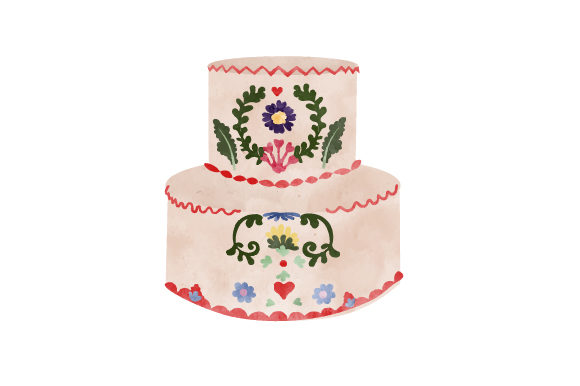
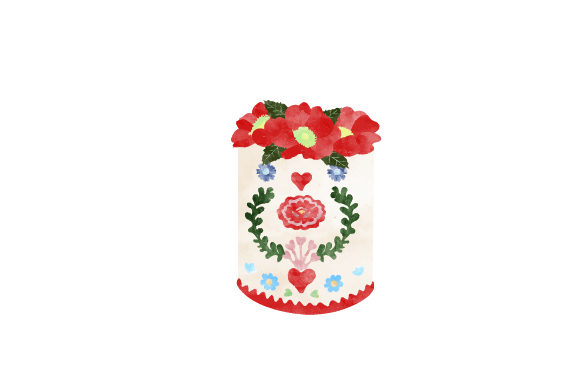
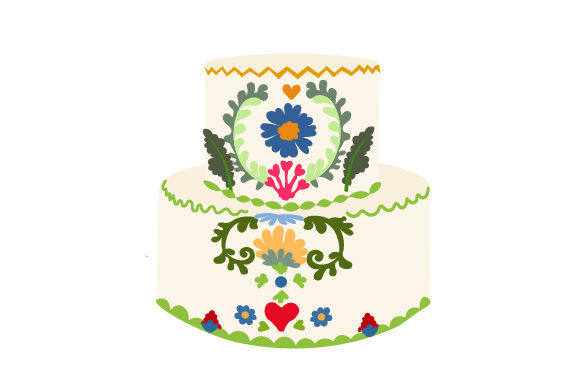
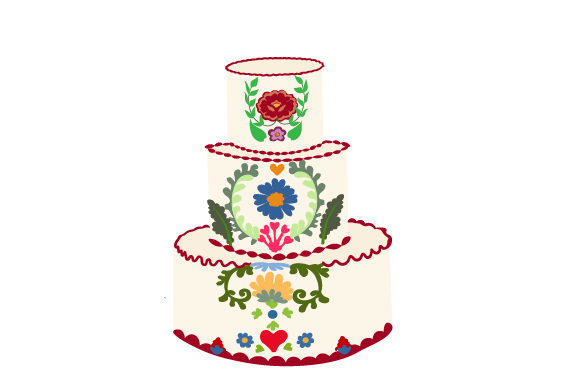
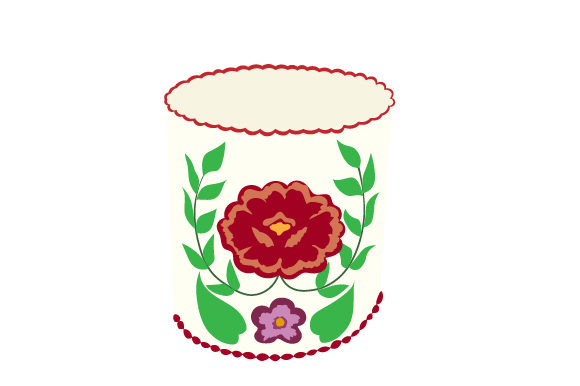
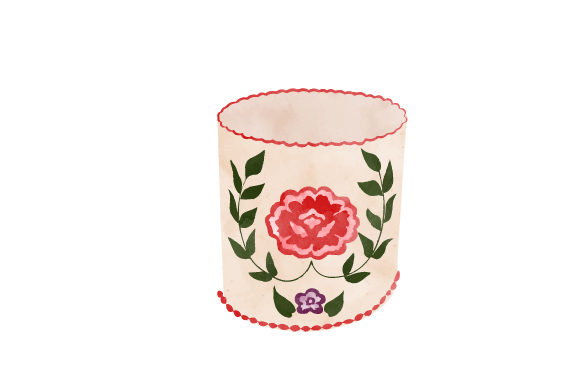
The title itself suggests a fusion of cultural vibrancy and artistic softness. When reviewing the preview files for Mexican Embroidery Cake, One Layer Watercolor, the immediate impression is one of playful elegance. The "watercolor" descriptor implies a blend of colors that mimics hand-painted textures, which can be challenging to replicate in thread but offers a unique aesthetic when done correctly. For businesses in the food, hospitality, or creative sectors, this design feels friendly and inviting rather than corporate or rigid.
This visual personality is crucial for brand identity. A bakery or a florist using this design on their packaging or staff uniforms signals attention to detail and a love for artisanal quality. It does not scream "mass-produced." Instead, it suggests a handmade product ethos, even if the item itself is manufactured. For Etsy sellers and crafters, this alignment with the "handmade" vibe is essential for customer trust and engagement.
Real-World Application for Small Business Merch
The true test of any embroidery file is its versatility across different substrates. Here is how I envision Mexican Embroidery Cake, One Layer Watercolor performing in real commercial scenarios:
- Embroidered Patches: This is perhaps the strongest use case. A patch allows for controlled stitching density and can be applied to various items later. The watercolor effect, if digitized with proper blending stitches, can create a stunning focal point on a denim jacket or canvas tote.
- Apron Embroidery: For cafes and bakeries, staff aprons are walking billboards. Placing this design on the chest pocket area adds a touch of whimsy without overwhelming the uniform. It reinforces the theme of fresh, creative offerings.
- Tote Bag Design: Canvas bags benefit from bold, clear designs. If the watercolor elements are simplified into distinct color blocks, this design can serve as a memorable tote bag design for customers, turning them into brand ambassadors.
- Cap Embroidery: Using this on the front of a cap requires caution due to the curved surface. However, as a side-panel accent or on a structured dad hat, it can offer a subtle nod to the brand’s creative roots.
For those creating small business merch, the ability to scale this design is key. It works well as a chest logo accent on work shirts or as a larger back print on hoodies, provided the digitization supports the size change without losing detail.
Technical Considerations and Production Challenges
While the aesthetic is appealing, the technical execution of a "watercolor" style in embroidery requires careful planning. Watercolor effects rely on gradient blends, which in embroidery translate to complex stitch patterns. Here are the critical factors to consider before putting Mexican Embroidery Cake, One Layer Watercolor into production:
Stitch Density and Fabric Texture: High stitch density can make fabric stiff and prone to puckering. If the design uses dense satin stitches to mimic paint strokes, it may not sit well on lightweight fabrics like thin cotton tees. It is better suited for medium-to-heavy weight materials like twill, denim, or canvas. Always check the stitch density in your software before running a full batch.
Thread Colors and Contrast: The success of a watercolor look depends heavily on thread colors. You need a wide palette to achieve the blending effect. However, too many color changes increase production time and cost. Review the color sequence carefully. If the design relies on subtle shifts, ensure your thread brand offers matching shades. Test it in black and white first to see if the shape holds up without color reliance.
Hoop Size and Stabilizer: Confirm the required hoop size before purchasing. A one-layer design might sound simple, but if it covers a large area, it needs robust support. Use a cut-away stabilizer for garments that will be washed frequently to prevent distortion. For patches, a tear-away might suffice during stitching, followed by a heat-seal backing for application.
Strategic Use for Brand Consistency
Integrating Mexican Embroidery Cake, One Layer Watercolor into your product line should enhance, not distract from, your overall brand message. Consistency is vital for recognition. If your brand is minimalist, this decorative piece might clash unless used sparingly as an accent. However, for brands rooted in Mexico culture, arts, or culinary traditions, it reinforces authenticity.
Consider using this design on customer gifts or limited-edition items. It adds perceived value to the finished product. A simple tote bag becomes a collector’s item when adorned with a unique, artistic embroidery piece. This strategy drives buyer engagement and encourages social sharing, which is invaluable for organic marketing.
Practical Designer Notes for Implementation
Before you commit to a large run of commercial embroidery projects using this file, follow these practical steps:
- Test on Real Fabric: Never skip the sample stitch-out. Use the exact fabric and stabilizer combination you plan to use for production. Check for puckering, thread breaks, or registration issues.
- Check File Formats: You will receive this design in SVG File, Transparent PNG, EPS, and DXF formats. Note that these are primarily vector and image formats. For machine embroidery, you typically need PES, DST, or JEF files. Ensure you have the correct conversion tools or confirm with the seller if machine-specific formats are included or available. If not, you may need to digitize it yourself or hire a digitizer.
- Create a Printable Mockup: Use the transparent PNG to create a printable mockup for client approval. This helps visualize placement and scale without wasting thread and fabric.
- Review Licensing: Confirm commercial licensing terms. Ensure you are allowed to use the design assets for physical goods sold for profit. Most designers allow this, but restrictions on mass production quantities may apply.
- Compare with Other Assets: Place this design beside your existing logos and graphics. Does it complement them? Does it maintain visual consistency? If it feels out of place, consider adjusting thread colors to match your brand palette.
Final Verdict for Crafters and Businesses
The Mexican Embroidery Cake, One Layer Watercolor is a promising asset for businesses looking to add a touch of artistic flair to their merchandise. It bridges the gap between traditional Crafts and modern branding needs. While it requires careful technical handling regarding stitch density and color management, the payoff in visual appeal and brand differentiation is significant.
For embroidery shops and apparel decorators, this design offers a chance to showcase technical skill through complex color blending. For small business owners, it provides a unique visual element that can elevate simple items like caps and aprons into premium branded goods. By following the testing and preparation steps outlined above, you can ensure that this design contributes positively to your brand’s professional image and customer experience.
Remember, the best embroidery design is one that not only looks good but also functions well in the real world. Take the time to understand the nuances of this file, and it will serve as a valuable component of your custom apparel and merchandise strategy.