Reviewing Embroidery Geometric Pattern Background for Sweatshirts
As an embroidery designer who has spent years digitizing and testing designs for small clothing brands, I approach every new machine embroidery design with a critical eye. It is not just about whether the lines look clean on a screen; it is about how that digital embroidery file translates into a tangible, premium finished product. Recently, I had the opportunity to evaluate Embroidery Geometric Pattern Background for a limited-edition sweatshirt drop for a boutique client. The goal was simple: create a collection that feels modern, high-quality, and distinct in a crowded market. Here is my professional breakdown of how this asset performs in a real-world apparel setting.
First Impressions: Mood and Aesthetic Appeal
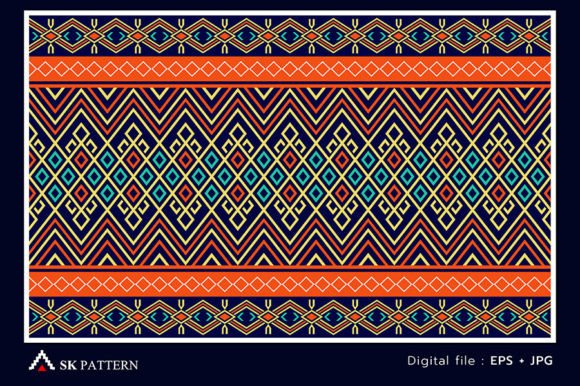
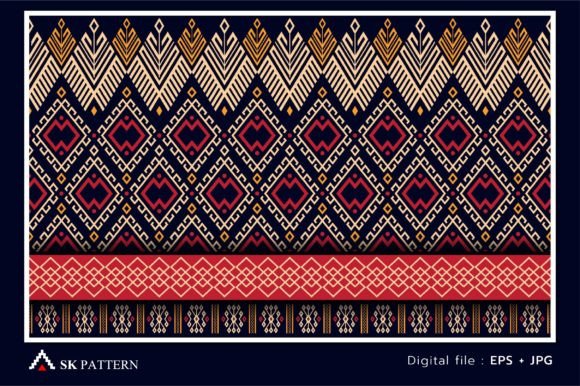
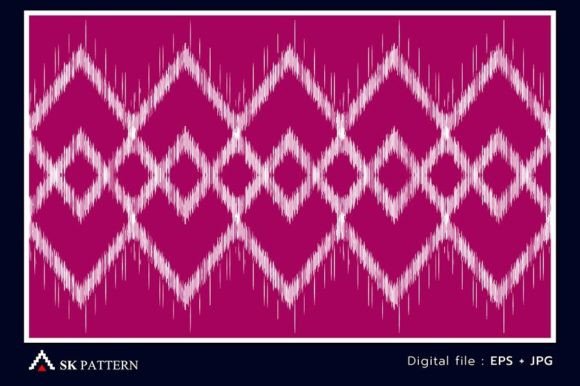
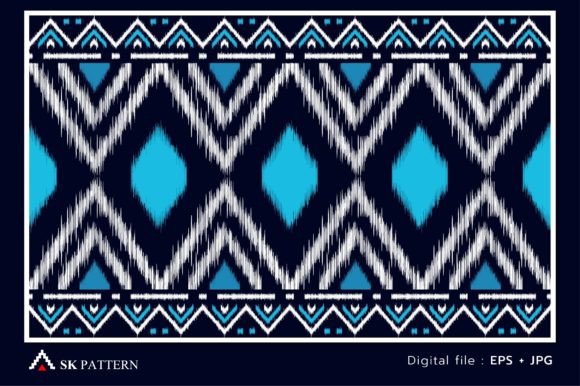
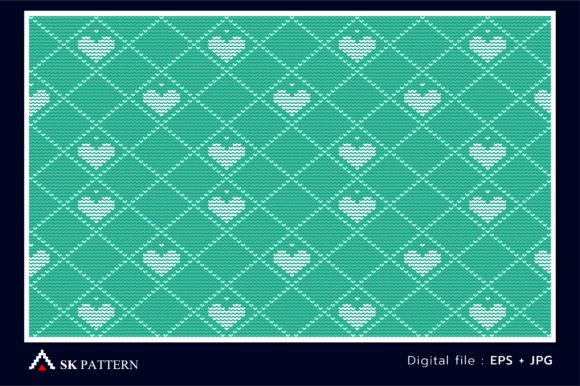
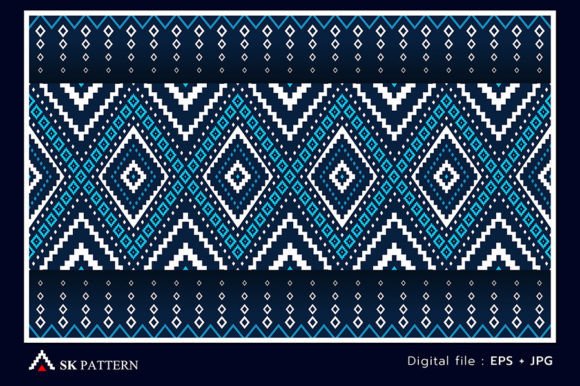
The first thing that strikes you about Embroidery Geometric Pattern Background is its versatility. While the product description highlights its suitability for wall art, floor pillows, and tapestries, my focus was strictly on apparel. The geometric nature of the Patterns offers a contemporary edge that bridges the gap between minimalism and decorative flair. It does not scream "cute" in a juvenile way, nor does it feel overly rustic. Instead, it lands firmly in the realm of sophisticated casual wear.
For a boutique brand, visual recognition is key. This design provides a structured layout that feels intentional and curated. When I visualized it on neutral sweatshirts, such as heather grey or oatmeal, the geometric lines added texture without overwhelming the fabric. On dark fabrics like charcoal or navy, the potential for contrast using metallic or bright thread colors becomes a powerful branding tool. It feels bold enough to stand out on an oversized hoodie yet refined enough for a fitted, cozy seasonal piece.
Application on Sweatshirts and Hoodies
When preparing a sweatshirt embroidery project, placement is everything. I tested the concept of using Embroidery Geometric Pattern Background in three specific areas:
- Chest Placement: A smaller, centered version works beautifully as a logo alternative. It adds a touch of elegance to a basic crewneck, elevating it from a blank canvas to a custom apparel statement piece.
- Sleeve Accents: Running a segment of the pattern down the sleeve creates a dynamic line that draws the eye. This is particularly effective on pastel colors, where the stitching adds dimension to soft fabrics.
- Back Designs: For oversized hoodies, a larger scale application on the back creates a high-impact look. This is ideal for lifestyle product photography, giving your Etsy seller shop or online store a professional, high-end aesthetic.
The geometric structure ensures that the design remains readable even when scaled. However, because this is marketed under Graphics and patterns, it is crucial to consider how the repeat works. For a single garment, you may need to isolate specific elements of the pattern to fit standard hoop constraints.
Technical Considerations for Production
Before running any embroidery file on production machines, we must address practical concerns. The success of a handmade product relies heavily on technical execution. Here are the key factors I evaluated for this project:
Thread Color Contrast and Stitch Density
Geometric designs rely on precision. If the stitch density is too low, the pattern may look sparse and cheap. If it is too high, it can cause puckering, especially on thinner cotton blends. I recommend testing on scrap fabric first. For dark fabrics, ensure your thread colors have enough contrast to make the geometry pop. Metallic threads can add a luxurious feel, but they require careful tension adjustments.
Fabric Texture and Stabilizer Choice
Sweatshirts vary in weight. A heavy fleece requires a different approach than a lightweight French terry. For this small shop product, I suggest using a cut-away stabilizer for durability. Since sweatshirts undergo frequent washing, the stability of the embroidery is non-negotiable. The fabric texture of a plush hoodie can sometimes hide minor imperfections, but a smooth jersey will reveal them. Always match your stabilizer to the fabric weight to prevent distortion.
Hoop Size and Readability
One limitation to note is the hoop size. Large geometric backgrounds may need to be tiled or cropped depending on your machine’s capabilities. Ensure that the details remain clear at the size you intend to stitch. If the lines become too thin, they may break during wear or washing. Check the design assets carefully to see if scalable vector versions are available, which allows for better adaptation to different hoop sizes.
Enhancing Brand Identity and Value
Using a unique pattern like Embroidery Geometric Pattern Background does more than just decorate a garment; it builds brand identity. In the world of commercial embroidery, consistency is vital. By adopting a signature geometric style, your boutique brand becomes instantly recognizable. Customers begin to associate that specific visual language with your quality and style.
This also impacts buyer trust. A well-executed embroidered design signals effort and craftsmanship. It tells the customer that this is not a mass-produced item printed with ink, but a handmade product with tactile value. This perception allows for higher price points and greater customer engagement. When you showcase these items in printable mockup previews or live photos, the texture of the thread adds depth that flat prints cannot achieve.
File Formats and Usage Rights
It is important to review what is included in the package. The product description states that files included are 1 EPS file and 1 JP (likely JPG). As an embroidery designer, I must caution that EPS and JPG are primarily graphic formats, not native machine embroidery formats like DST or PES. You will likely need to use digitizing software to convert these graphics into a stitch file, or ensure that the provider offers a separate digitized version if intended for direct machine use. Always verify the license terms for commercial embroidery use before selling finished goods. Ensure you have the right to use the Patterns on items for sale.
If you are an Etsy seller or run a small shop product line, double-check if the provider includes actual embroidery files or just the graphic art. If it is just the graphic, factor in the time and cost of digitizing or hiring a digitizer. This step is crucial for maintaining the integrity of the design on fabric.
Final Verdict for Boutique Owners
Embroidery Geometric Pattern Background is a strong contender for brands looking to elevate their apparel offerings. It moves beyond basic logos into the realm of artistic expression. Whether used on a cozy winter hoodie or a lightweight spring sweatshirt, it adds a layer of sophistication. Just remember to test your thread colors, choose the right stabilizer, and confirm your file formats for production. With careful execution, this design can become a staple in your custom apparel collection, driving both visual appeal and perceived value for your customers.