Review: Embroidery Line Motif Retro Illustration
As an embroidery designer who spends hours digitizing and stitching, I am always on the lookout for design assets that bridge the gap between digital aesthetics and tangible textile art. Recently, I came across Embroidery Line Motif Retro Illustration on Creative Fabrica. While browsing through the vast library of Patterns and Graphics available on the platform, this specific product caught my eye due to its clean lines and ethnic-inspired geometry. In this review, I will break down how this asset performs when translated into real-world handmade products, helping you decide if it is the right fit for your next commercial embroidery project.
First Impressions and Visual Mood
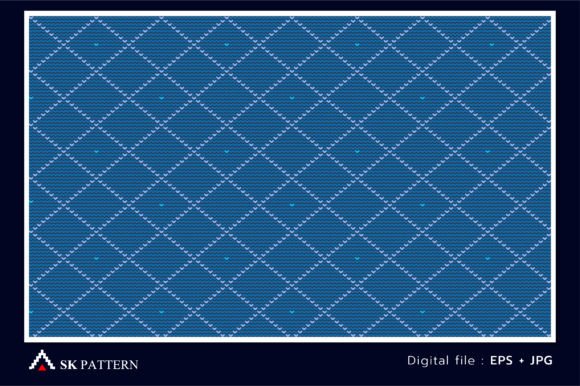
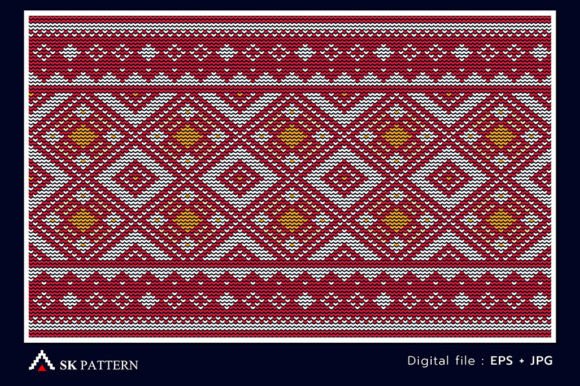
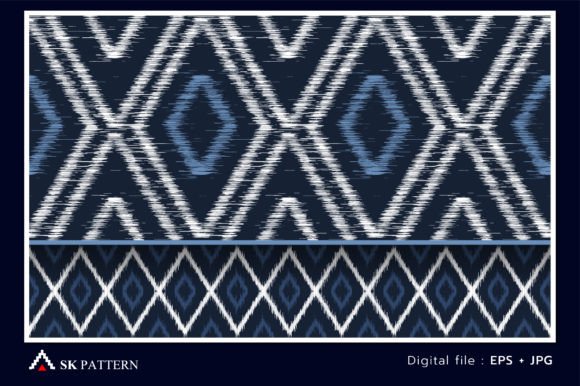
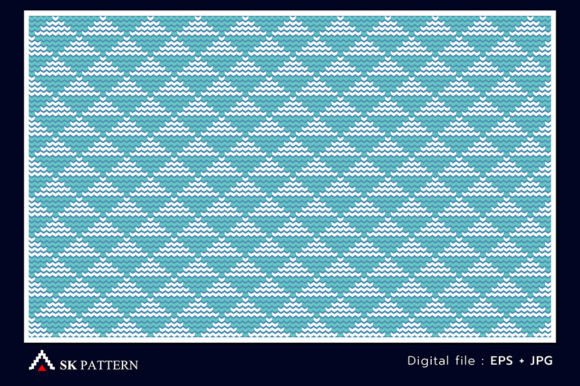
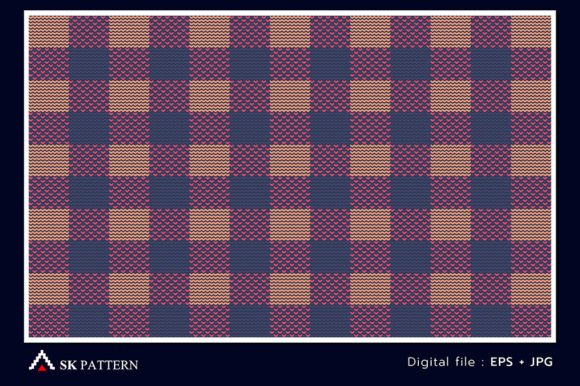
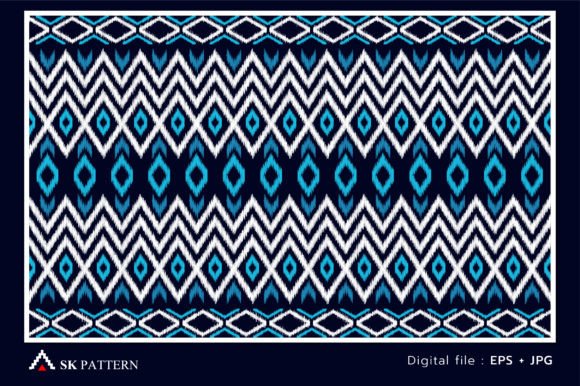
The first thing you notice about Embroidery Line Motif Retro Illustration is its distinct retro vibe. It features a geometric fashion triangle background that feels both modern and nostalgic. The ethnic pattern vector style suggests a hand-drawn quality, which translates beautifully into the textured world of thread. Unlike complex photorealistic images that can become muddy when stitched, these line motifs rely on negative space and clear contours. This makes them inherently suitable for embroidery, where clarity is key.
The visual mood is playful yet sophisticated. It does not scream for attention with heavy saturation but rather invites closer inspection. For designers creating branded merchandise or boutique items, this subtlety is a major advantage. The decorative appeal lies in its versatility; it can serve as a standalone focal point or as a subtle border element on larger pieces.
Practical Application in Real Projects
When considering a new design asset, I always ask myself: "Where would this look best?" For Embroidery Line Motif Retro Illustration, the applications are diverse. Here is how I envision using this design in a professional setting:
- Custom Apparel: The geometric triangles work exceptionally well on sweatshirt embroidery. Placed on the left chest or as a large back print, the line work adds a contemporary edge to basic cotton blends.
- Tote Bag Design: Canvas totes benefit from bold, simple shapes. This motif provides enough visual weight to stand out against natural fabric without requiring excessive stitch count, keeping production costs low.
- Embroidered Patch Creation: Because the design is self-contained and graphic, it is ideal for creating custom patches. You can satin stitch the borders for a crisp finish, making it durable for caps and jackets.
- Home Decor: Imagine this pattern on a pillow cover or kitchen towel. The ethnic pattern vector style complements bohemian or mid-century modern interior trends, adding value to handmade home goods.
For Etsy sellers and small business owners, this type of Graphics asset allows for quick turnaround times. Since the design relies on line work rather than dense fill stitch areas, it stitches out faster than traditional solid designs. This efficiency is crucial when fulfilling bulk orders for commercial embroidery clients.
Technical Considerations for Stitching
While the visual appeal is strong, we must address the technical realities of turning a digital illustration into a physical machine embroidery design. The product description notes that the files included are 1 EPS file and 1 JPG file at 5667 x 3500 pixels, 300dpi. It is important to clarify that this is a graphic resource, not a pre-digitized embroidery file like PES or DST. This means you, the designer, will need to digitize the artwork yourself or use auto-digitizing software with caution.
Here are critical factors to consider during the digitizing and stitching process:
- Stitch Density and Type: Since this is a line motif, you will likely use running stitch or narrow satin stitch. Avoid heavy fill stitch unless you are creating a specific textured effect. High stitch density on thin fabrics can cause puckering, so keep the tension balanced.
- Fabric Choice: This design performs best on stable woven fabrics like cotton, linen, or canvas. If you are applying it to stretchy fabric like jersey for a t-shirt, you must use a cut-away stabilizer to prevent distortion. For dark fabric, ensure you choose high-contrast thread colors to maintain the visibility of the geometric lines.
- Hoop Size: The scalability of vector graphics is a benefit, but you must confirm hoop size compatibility with your machine. Small hoop sizes may require scaling down the design, which could make tiny details difficult to stitch cleanly. Always test on scrap fabric first.
- Curved Surfaces: If using this for cap embroidery, be mindful of the curved surface. Large geometric backgrounds can distort if not properly hooped with a cap frame. Consider breaking the design into smaller sections if necessary.
Enhancing Product Value and Brand Consistency
In the competitive market of handmade products, presentation is everything. Using high-quality design assets like Embroidery Line Motif Retro Illustration can significantly elevate your brand perception. When customers see clean, precise stitching that mirrors a professional graphic design, their trust in your craftsmanship increases. This is particularly important for personalized gifts and custom apparel where buyers expect a premium finish.
Furthermore, this asset aids in product photography. The crisp lines and retro aesthetic photograph well, allowing you to create compelling printable mockup images for your online store. Consistent use of such thematic elements helps build a cohesive brand identity. Whether you are selling nursery decor or adult fashion accessories, the ethnic and geometric themes provide a recognizable visual language that customers can connect with.
Final Verdict and Licensing Notes
Is Embroidery Line Motif Retro Illustration worth downloading? For designers who have digitizing skills or access to reliable auto-digitizing tools, yes. It offers a versatile foundation for various projects, from tote bags to wall art. The high resolution of the JPG file ensures that you can scale the image for large format printing or detailed stitching without losing quality.
However, remember that this is a graphic file, not a ready-to-stitch machine embroidery design. You will need to convert the EPS or JPG into a stitch file compatible with your machine. Before starting any commercial embroidery project, always check the product details and licensing terms on the Creative Fabrica product page. Ensure that your intended use, such as selling finished physical items, is covered under the license.
To get the best results, I recommend testing different thread colors to see how they interact with the geometric shapes. A monochromatic thread scheme can highlight the texture, while contrasting colors can emphasize the retro illustration style. With proper stabilizer use and careful digitizing, this asset can become a staple in your design library, helping you create unique, high-value handmade products that stand out in the marketplace.