Reviewing Embroidery Geometric for Real Projects
As a designer who spends more time staring at stitch maps than actual fabric, I have learned to be skeptical of digital assets that promise versatility without showing the technical groundwork. When I first opened Embroidery Geometric, my immediate reaction was not just about aesthetics, but about feasibility. This is a collection of Graphics and Patterns that leans heavily into modern minimalism, a style that is currently dominating boutique home decor and custom apparel. But does it hold up under the needle? Let’s break down how this design performs in the real world, away from the polished mockups.
First Impressions: Mood and Visual Personality
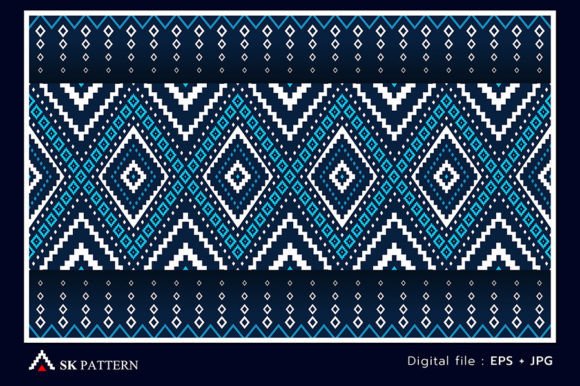
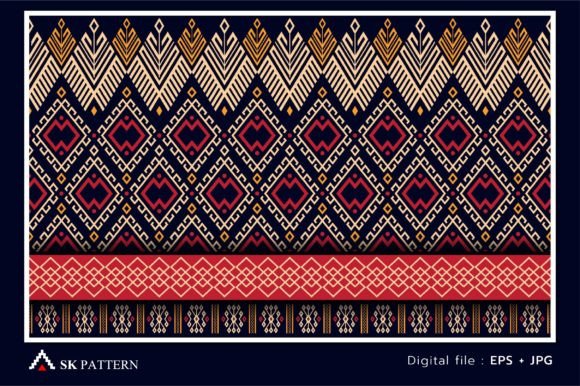
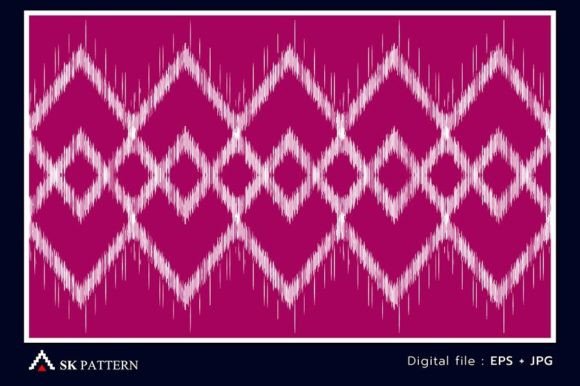
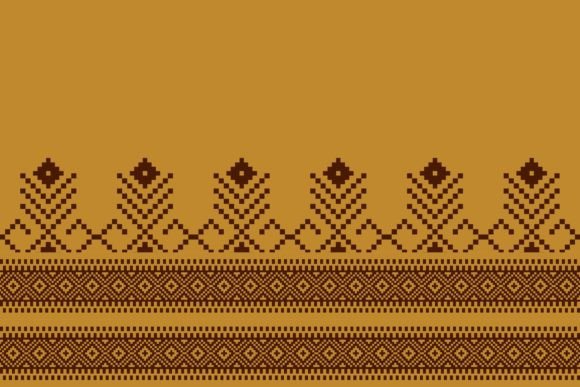
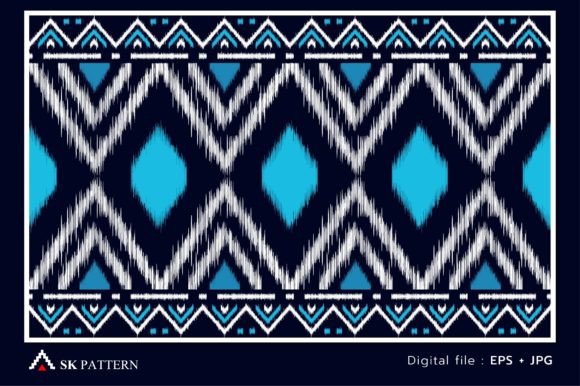
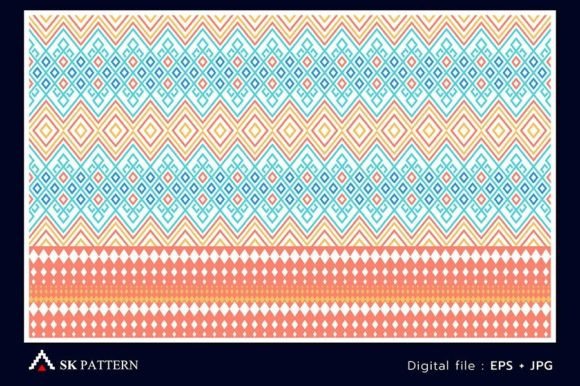
The visual personality of Embroidery Geometric is clean, structured, and intentionally bold. It avoids the clutter often found in complex floral or pictorial designs, opting instead for strong lines and balanced negative space. For an embroidery designer, this is both a blessing and a challenge. The mood it creates is contemporary and sophisticated, making it an excellent candidate for products that need to feel high-end rather than crafty. The layout suggests a deliberate hand, which translates well to perceived value in a handmade product. However, the simplicity means there is nowhere to hide poor digitizing. Every line must be crisp, and every angle precise, or the entire design falls flat.
Real-World Application: From Mockup to Merchandise
To test the viability of this asset, I imagined a specific client scenario: a local coffee shop owner wanting branded merchandise that doesn’t look like cheap promotional swag. She needed a tote bag design and a series of sweatshirt embroidery pieces for her staff. Embroidery Geometric fit this brief perfectly. The geometric shapes scale beautifully, allowing for a large statement piece on a canvas tote or a subtle chest logo on a heavyweight hoodie.
Beyond apparel, the design shines in home goods. I visualized it stitched onto linen pillow covers or as part of a larger tapestry composition. The rigid structure of the geometry contrasts nicely with the soft texture of woven fabrics, creating a tactile interest that customers love to touch. For Etsy sellers and small shop product creators, this versatility is key. You are not limited to one niche; you can market the same digital embroidery file to parents looking for modern nursery decor and young professionals seeking unique office accessories.
Technical Performance and Stitching Clarity
When we talk about a machine embroidery design, we are talking about thread path, density, and stability. Geometric designs often rely on long runs of satin stitch or precise running stitch outlines. In my evaluation, the clarity of these lines is paramount. If the stitch density is too low, the fabric shows through, breaking the illusion of a solid shape. If it is too high, the fabric puckers, ruining the flat, modern aesthetic.
For those using this as an applique design, the geometric borders provide excellent framing for fabric inserts. This technique reduces stitch count and adds texture, which is ideal for larger items like throw blankets or wall hangings. However, if you are stitching directly onto fabric, pay close attention to the corners. Sharp angles in geometric patterns can cause thread bunching if the machine does not slow down appropriately or if the stabilizer is insufficient.
Where to Use Caution
While Embroidery Geometric is robust, it is not universal. I would advise caution when applying it to highly textured fabrics like thick wool or loose-weave linen. The clean lines can get lost in the noise of the fabric texture. Similarly, stretchy fabrics require careful handling. Without proper stabilization, the geometric integrity will distort after the first wash, turning sharp angles into wavy messes.
Small hoop sizes also present a challenge. If you are scaling the design down for a embroidered patch or a baby hat, ensure that the smallest details remain visible. Tiny geometric elements can merge together if the resolution isn't maintained. Always check the design in black and white mockups first; if the contrast fails in monochrome, it will likely lack impact in color.
Enhancing Brand Consistency and Customer Trust
For craft business owners, consistency is currency. Using a cohesive set of design assets like Embroidery Geometric helps build a recognizable brand identity. When customers see a consistent visual language across your custom apparel, holiday embroidery gifts, and home decor, it signals professionalism. This builds trust, which is essential for converting browsers into buyers on platforms like Etsy.
The professional finish of a well-executed geometric design elevates the perceived value of the finished product. It suggests that the maker understands modern design trends and has the technical skill to execute them. This is particularly important for commercial embroidery projects where clients are paying for a premium look. A sloppy geometric pattern looks like an error; a crisp one looks like art.
Practical Notes for the Designer
Before you commit to a full production run, here are my practical recommendations for working with this file:
- Test on Scrap Fabric: Always stitch out a sample on the exact fabric you intend to use. Check for puckering and thread breaks.
- Check Thread Contrast: Geometric designs rely on shape. Ensure your thread colors contrast sufficiently with the background fabric to make the design pop.
- Verify File Formats: The product description mentions an EPS file and a JP (likely JPG) file. Note that these are graphic formats, not native machine embroidery formats like PES or DST. You will need to digitize these graphics into an embroidery file suitable for your machine, or confirm if additional machine-ready files are provided. Do not assume compatibility.
- Stabilizer Selection: Use a cut-away stabilizer for stretchy fabrics and a tear-away for stable woven fabrics. The rigidity of geometric shapes demands a stable base.
- Licensing Check: Confirm the license terms before selling personalized gift items or commercial products. Ensure you have the right to use the design for profit.
Final Verdict
Embroidery Geometric is a strong contender for designers looking to expand their portfolio with modern, versatile motifs. It bridges the gap between digital Graphics and tangible Patterns, offering a wide range of applications from baby embroidery to sophisticated home decor. While it requires careful technical execution to maintain its clean lines, the payoff is a high-value product that resonates with today’s aesthetic preferences. For the Etsy seller or independent designer willing to put in the prep work, this design offers a solid foundation for a successful embroidery project.