Reviewing Embroidery Line Textile Wallpaper Design
As an embroidery designer who spends countless hours digitizing motifs and testing stitch paths, I approach every new Creative Fabrica embroidery download with a critical eye. We are not just looking for pretty pictures; we are looking for viable assets that translate well into thread, withstand the tension of the hoop, and ultimately sell. Recently, I evaluated the Embroidery Line Textile Wallpaper Design to determine if it holds up under the scrutiny of real-world production. This is not merely a graphic asset; it is a potential cornerstone for a cohesive collection of handmade goods.
First Impressions and Visual Mood
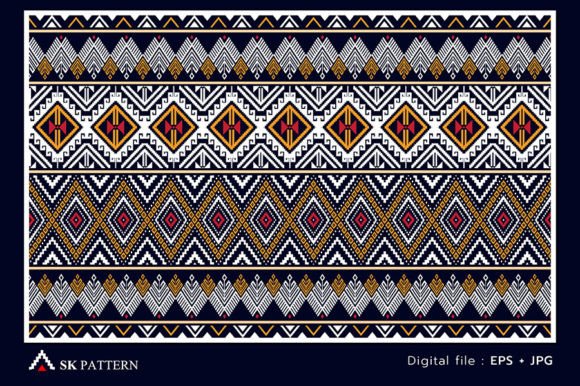
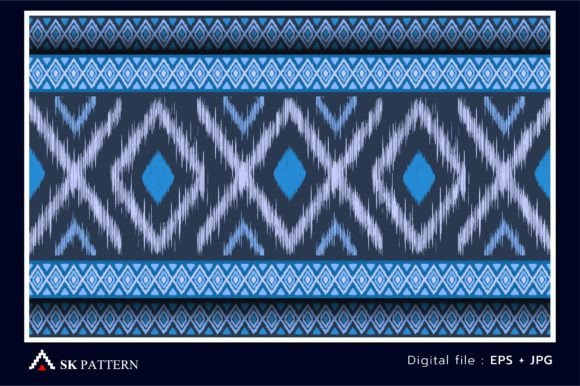
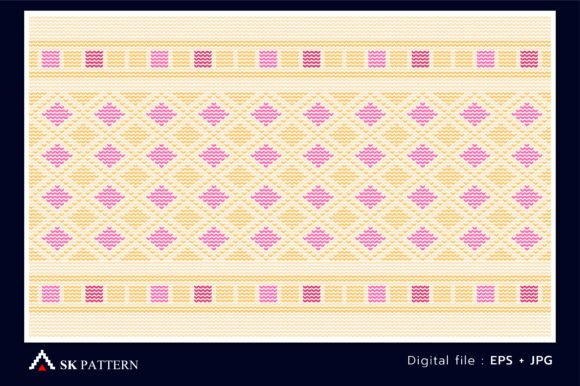
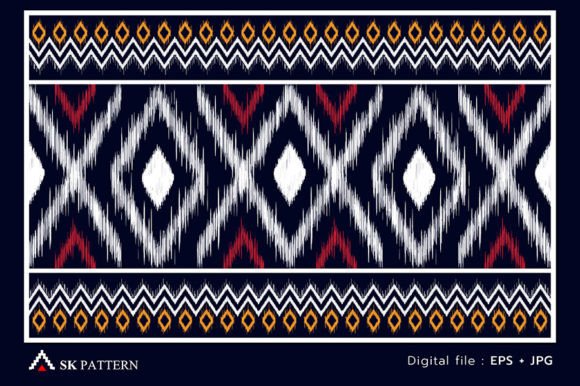
The initial appeal of this product lies in its authentic aesthetic. The description highlights an Ethnic pattern vector and a Geometric handcraft motif background, which immediately suggests a bohemian or artisanal vibe. For designers, this is gold. It moves away from the sterile, perfect lines of digital clipart and embraces the organic irregularity that mimics actual hand-stitching. The visual mood is warm, textured, and inviting, making it ideal for brands that prioritize natural fibers, slow fashion, and heartfelt craftsmanship.
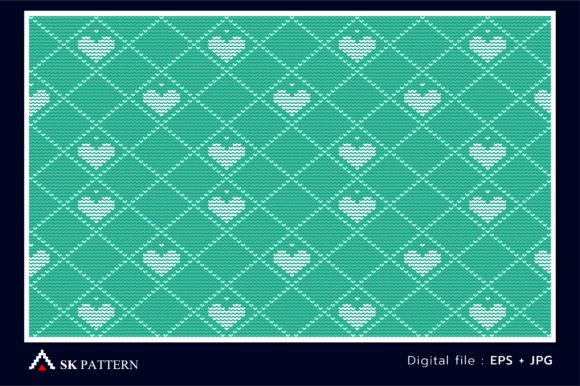
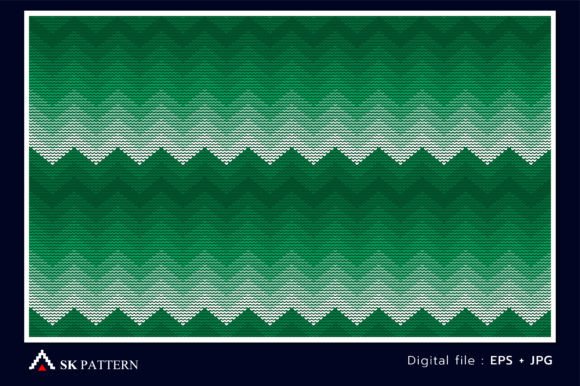
When viewing the included JPG file at 5665 x 3500 pixels and 300dpi, the detail level is impressive. The lines are crisp enough to serve as a reference for manual digitizing or as a high-resolution printable mockup. However, it is crucial to note that the files included are one EPS file and one JPG file. This means this is primarily a design asset for graphics or a reference for creating your own machine embroidery design, rather than a ready-to-stitch PES or DST file. For those who digitize their own work, this vector foundation saves hours of tracing and shape creation.
Practical Applications for Real Projects
Integrating this Embroidery Line Textile Wallpaper Design into a product line requires strategic thinking. Because the motif is geometric and repetitive, it excels in applications where pattern continuity matters. Here is how I envision using this asset across various categories:
- Custom Apparel: Use the geometric motifs as all-over prints for sublimation blanks, or isolate specific elements to create unique chest logos for sweatshirt embroidery.
- Tote Bag Design: The ethnic patterns pair beautifully with canvas materials. You can digitize larger sections for central placement or use the wallpaper aspect for edge-to-edge stitching on heavy-duty bags.
- Home Decor: Pillow covers and nursery decor benefit from the soft, handcrafted look. The geometric nature ensures the design remains modern while retaining a cozy feel.
- Kitchen Textiles: Aprons and kitchen towels are excellent candidates. The linear quality of the design translates well to running stitch or simple satin stitch borders.
For Etsy sellers and small business owners, consistency is key. Using a unified set of Patterns and Graphics like this helps build brand recognition. If you sell a tote bag with this motif, offering a matching embroidered patch or a printed notebook creates a compelling bundle opportunity.
Navigating Technical Challenges in Embroidery
While the visual appeal is strong, translating a wallpaper-style graphic into thread presents technical hurdles. Since this product provides vector and raster images, you must consider how these shapes behave when converted into stitches. Here are critical factors to review before starting a commercial project:
Stitch Density and Fabric Choice: Geometric patterns can become dense quickly. If you digitize these motifs using fill stitch, ensure you apply proper pull compensation to prevent puckering, especially on stretchy fabrics like jersey knits used in t-shirts. On textured fabric or dark fabric, you may need to adjust thread colors significantly to maintain contrast. A light thread on a dark garment might require an underlay stitch that is denser than usual to prevent the fabric color from showing through.
Hoop Size and Placement: Always confirm hoop size capabilities. Large, continuous wallpaper designs may require splitting the design into multiple hoops if you are working with standard home machines. For curved surfaces like caps, avoid large, dense geometric blocks that can cause stiffness and discomfort. Instead, isolate smaller elements for embroidered patches or front-panel details.
Washability and Durability: Products that need frequent washing, such as baby items and kitchen towels, require secure stitching. Ensure that any digitized version of this design uses adequate tie-offs and that the stitch direction follows the grain of the fabric where possible to minimize distortion over time.
Enhancing Product Value and Buyer Trust
Using high-quality design assets directly impacts perceived value. When customers see intricate, well-executed geometric motifs, they associate the product with higher craftsmanship. This Embroidery Line Textile Wallpaper Design allows for a level of customization that mass-produced items lack. Whether you are creating a personalized gift or a boutique merchandise line, the unique ethnic flair sets your work apart.
Furthermore, the high-resolution JPG included is invaluable for marketing. You can create stunning printable mockups to showcase your finished product on social media before you even stitch a single thread. This reduces waste and helps gauge customer interest. High-quality visuals drive engagement, and consistent branding through repeated use of these motifs builds trust with your audience.
Essential Pre-Production Checklist
Before committing to a large run of commercial embroidery products, follow these practical steps:
- Test on Scrap Fabric: Never stitch directly on your final garment. Test your digitized version of the design on similar material to check for puckering or thread breaks.
- Check Thread Color Contrast: View your design in black and white to ensure the geometric lines remain distinct without relying solely on color differences.
- Review Stitch Density: If digitizing from the EPS file, optimize your stitch count. Too many stitches can make the fabric stiff and unappealing.
- Use Proper Stabilizer: Match your stabilizer to your fabric weight. Cut-away stabilizers are often best for stretchy fabrics, while tear-away works for stable wovens.
- Verify Licensing: Always check the product details on the Creative Fabrica product page. Confirm that the license allows for commercial use of finished physical items if you plan to sell them.
In conclusion, the Embroidery Line Textile Wallpaper Design is a versatile resource for the creative entrepreneur. It bridges the gap between digital graphic design and tactile textile art. By understanding its limitations as a graphic file and leveraging its strengths as a design reference, you can create standout handmade products that resonate with customers seeking authenticity and style.