Reviewing Vector Pattern Ethnic Embroidery Design for Merch
As an embroidery designer who has spent years digitizing artwork for small businesses, I approach every new machine embroidery design with a critical eye. It is not just about whether the image looks pretty on a screen; it is about how that graphic translates into thread, how it holds up on fabric, and ultimately, how it serves the brand identity of the client. Recently, I evaluated the Vector Pattern Ethnic Embroidery Design to determine its viability for commercial use. This review focuses on its application for branded merchandise, patches, uniforms, and small business product labels.
First Impressions: Visual Personality and Style
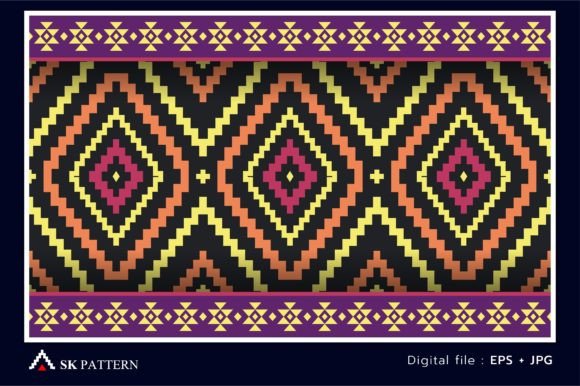
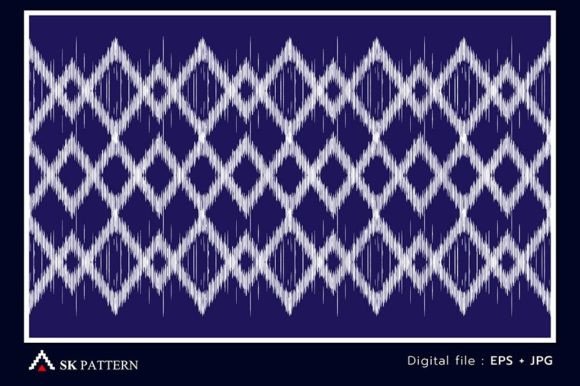
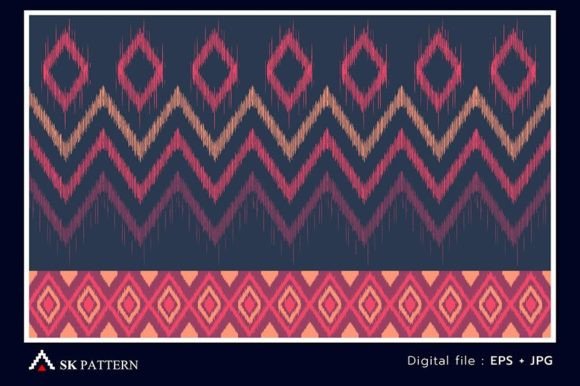
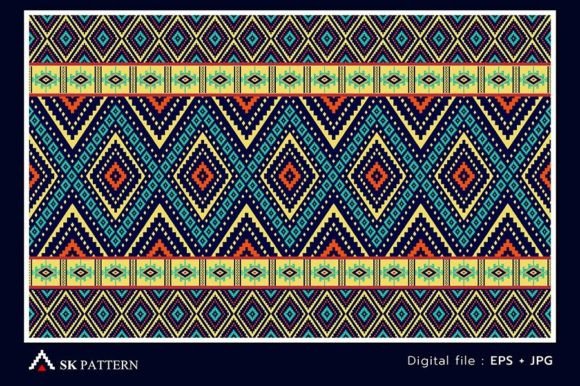
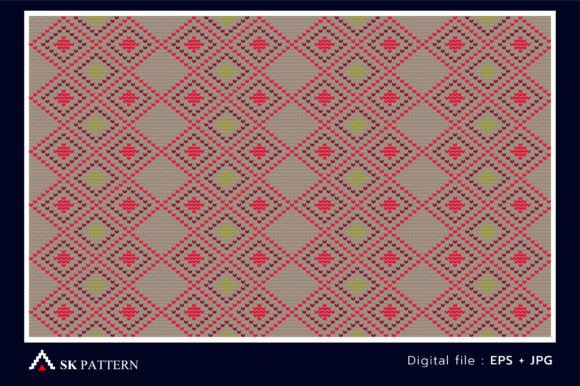
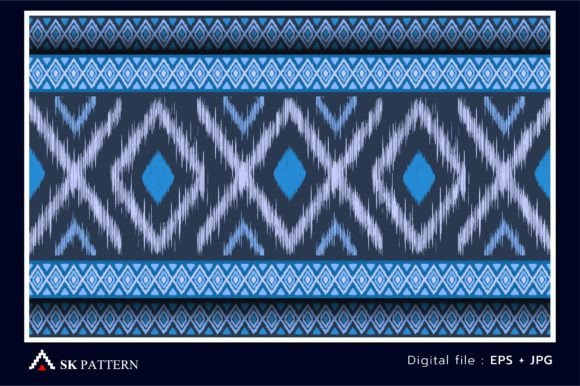
The first thing that strikes you about this digital embroidery file is its versatility. The title suggests an ethnic influence, which often implies intricate geometric shapes, organic lines, and cultural motifs. In the context of modern branding, this aesthetic can feel rustic, handmade, and premium simultaneously. For boutique owners and Etsy sellers, this visual language communicates authenticity. It does not scream "mass-produced." Instead, it offers a decorative touch that elevates a simple garment into a statement piece.
When reviewing the provided files—specifically the EPS and JPG formats included—it is crucial to understand that these are Graphics and vector patterns, not necessarily pre-digitized stitch files. This distinction is vital for professional application. The vector nature allows for infinite scalability without loss of quality, which is a significant advantage when adapting the design for different hoop size constraints. However, it also means the burden of digitization falls on the user or their hired digitizer. The design feels bold yet elegant, suitable for brands that want to project warmth and creativity.
Real-World Business Applications
For small business owners, the true value of any design assets lies in their adaptability. I tested the concept of this pattern across several common merchandise categories. Here is how it performs in real-world scenarios:
- Embroidered Patches: This is perhaps the strongest use case. The ethnic patterns can be isolated and scaled down to create unique chest logos or sleeve accents. A well-digitized version of this pattern would make for a high-value add-on for denim jackets or canvas bags.
- Staff Uniforms and Aprons: For cafes, bakeries, or florists, apron embroidery adds a layer of professionalism. Placing a simplified version of this pattern on the pocket or hem of an apron creates a cohesive look that customers associate with quality service.
- Tote Bag Design: Canvas tote bags are a staple for retail shops. The bold lines of the ethnic pattern work well on textured cotton, providing a sturdy, durable mark that survives frequent washing.
- Cap Embroidery: Using this design on headwear requires careful scaling. The curved surface of a cap distorts wide designs, so selecting a narrower segment of the pattern is essential for maintaining visual integrity.
Beyond apparel, this design fits perfectly into the realm of home goods. As noted in the product description, it is ideal for wall art, floor pillows, throw blankets, and cushions. For a handmade brand, offering coordinated home decor items alongside apparel can significantly increase average order value.
Technical Considerations for Production
While the artistic merit is high, technical execution determines the success of the finished product. Since the package includes an EPS file and a JPG, you are working with source graphics. Here are my practical notes for preparing this design for production:
- Digitization Strategy: Do not assume the vector lines translate directly to stitches. You must account for stitch density. Ethnic patterns often have tight, intricate details. If the density is too high, the fabric will pucker. If too low, the backing will show through. Always test on a scrap piece of the actual fabric you intend to use.
- Fabric Texture and Stabilizer: The interaction between thread and fabric is critical. On textured fabrics like towels or heavy canvas, you may need a cut-away stabilizer to prevent distortion. On smooth silks or lightweight dresses, a tear-away stabilizer might suffice, but testing is non-negotiable.
- Color Contrast: Review thread colors carefully. Ethnic designs often rely on contrast to define their shapes. Ensure your chosen thread palette stands out against the garment color. A dark uniform requires bright or metallic threads to make the design pop.
- Scale Testing: Before committing to a large run, create a printable mockup or stitch out a single sample at the intended size. Check if fine details merge together or if gaps appear. This step saves money and protects your brand reputation.
Brand Identity and Customer Trust
Consistency is key to building brand identity. Using a distinctive pattern like this across various touchpoints—from custom apparel to gift wrapping—creates a recognizable visual signature. When customers see the same ethnic motif on a tote bag, a patch, and a throw pillow, it reinforces the brand’s story. It signals attention to detail and a commitment to aesthetic coherence.
Moreover, high-quality embroidery conveys trust. A sloppy stitch-out can damage a brand’s perceived value, while a crisp, well-executed design enhances it. By investing time in properly digitizing and testing this embroidery file, small business owners can ensure their merchandise reflects the premium nature of their services. It transforms a simple item into a keepsake, encouraging customer loyalty and word-of-mouth marketing.
Where to Use Caution
Not every application is suitable. Avoid using the full, complex pattern on very small areas, such as a tiny label or a narrow cuff, as the details will become indistinguishable mud. Be cautious with high-stretch fabrics unless you have advanced digitizing skills to compensate for pull. Additionally, if the design includes very fine lines, consider simplifying them for items that undergo industrial laundering, such as restaurant uniforms, to ensure longevity.
Final Verdict for Commercial Use
The Vector Pattern Ethnic Embroidery Design is a robust asset for creative entrepreneurs. It bridges the gap between traditional craftsmanship and modern branding needs. However, remember that the included files are graphics, not ready-to-stitch data. You must confirm commercial licensing rights before using them for client work or resale. Check the specific terms provided with the download.
For those willing to invest in proper digitization and testing, this design offers immense potential. It can elevate small business merch, enhance handmade product presentations, and serve as a versatile element in a broader marketing strategy. Whether used for a boutique’s signature scarf or a local studio’s branded tote, this pattern delivers the professional polish that today’s consumers expect. Treat it as a foundational element of your visual toolkit, and it will pay dividends in brand recognition and customer engagement.