Reviewing the Vector Ethnic Embroidery Pattern
As a designer who has spent countless hours digitizing motifs and troubleshooting thread breaks, I approach every new Vector Ethnic Embroidery Pattern with a critical eye. It is not enough for a design to look pretty on a screen; it must translate flawlessly into thread and fabric. When I first opened this set of Patterns and Graphics, my immediate goal was to determine if these assets could hold up under the mechanical stress of an embroidery machine while maintaining their artistic integrity in a real-world product.
First Impressions: Mood and Visual Personality
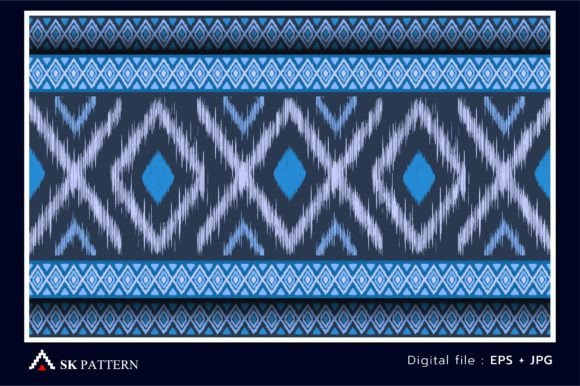
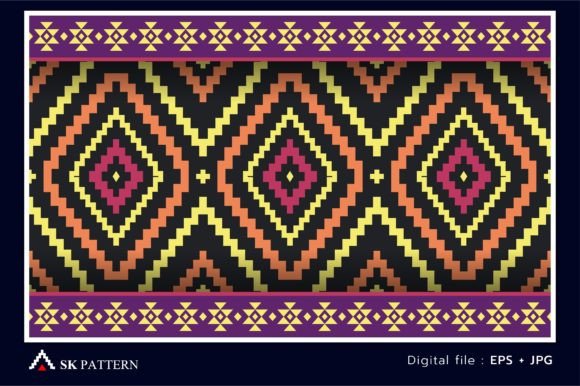
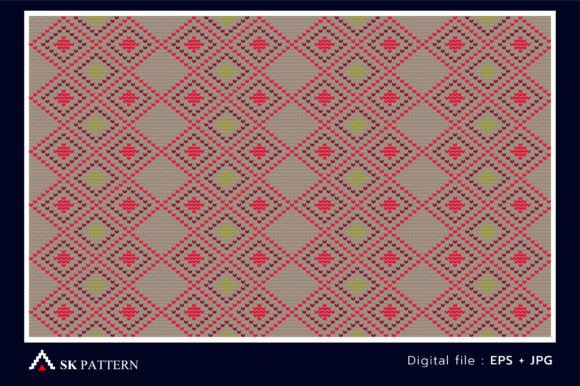
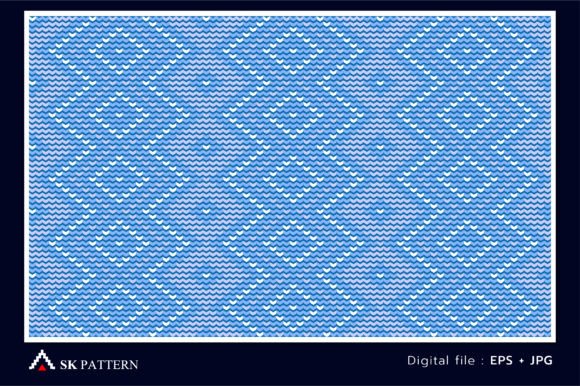
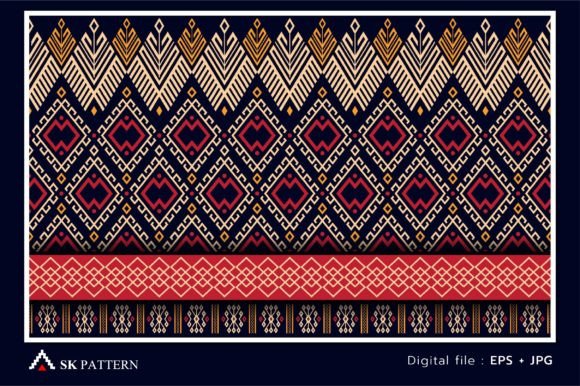
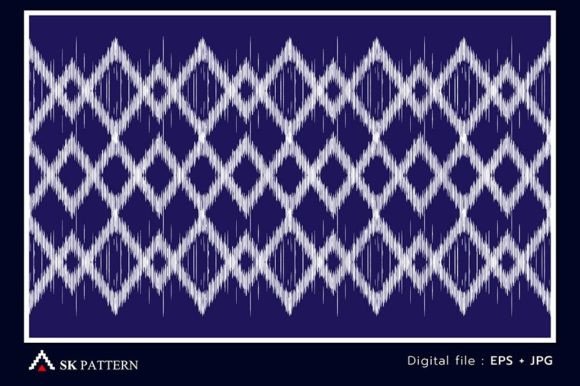
The initial visual impact of this collection is striking. The ethnic motifs carry a sense of heritage and warmth, characterized by intricate geometric shapes and flowing organic lines. For a designer, the layout feels balanced, avoiding the chaotic clutter that often plagues complex ethnic designs. The mood is earthy yet sophisticated, making it versatile enough for both rustic home decor and modern apparel.
What stands out most is the clarity of the lines. In digital design assets, ambiguity is the enemy. These vectors provide clean paths that suggest how a digitizer might approach the stitch placement. Whether you are looking to create a bold statement piece or a subtle accent, the visual personality here leans towards timeless craftsmanship rather than fleeting trends.
Real-World Application: A Tote Bag Case Study
To truly evaluate utility, I imagined a specific scenario: creating a custom tote bag design for a local boutique client. The client wanted something that felt handmade but polished, suitable for everyday use. I selected one of the larger ethnic motifs from the collection to place centrally on a heavy canvas tote.
In this context, the design performed exceptionally well. The open spaces within the ethnic pattern allowed the texture of the canvas to show through, preventing the dreaded "cardboard effect" where dense stitching makes fabric stiff. The symmetry of the pattern meant that hooping was straightforward, reducing the risk of skewing—a common nightmare with asymmetrical embroidery projects. If I were stitching this for a small shop product, I would feel confident that the final result would justify a premium price point.
Versatility Across Product Categories
Beyond tote bags, the adaptability of this Vector Ethnic Embroidery Pattern is its strongest asset. I can easily visualize these motifs applied to various surfaces:
- Apparel: Perfect for sweatshirt embroidery on the chest or back, where the scale can be adjusted without losing detail.
- Home Decor: Ideal for floor pillows and throw blankets, adding a bohemian touch to living spaces.
- Accessories: Works beautifully on scarves and dresses, provided the fabric weight is considered.
- Gifts: Excellent for holiday embroidery on kitchen towels or as a personalized gift element on aprons.
For Etsy sellers and craft business owners, this versatility means you can stretch one purchase across multiple product lines. You are not limited to a single niche; you can offer matching sets of cushions and tapestries, or coordinate apparel with home goods.
Technical Considerations and Stitching Reality
While the aesthetic is strong, we must address the technical translation from vector to stitch. Since the product includes an EPS file and a JPG, it is crucial to understand that these are graphics, not necessarily ready-to-stitch machine embroidery design files like PES or DST. This distinction is vital for commercial embroidery professionals.
If you are digitizing these yourself, pay close attention to stitch density. Ethnic patterns often feature fine details that can become lost if the fill stitch is too dense. I recommend using a combination of satin stitch for borders and lighter fill or running stitch for internal details to maintain flexibility. Always test on scrap fabric first. Check how the thread colors interact with your chosen material. High-contrast threads will make the geometry pop, while tonal threads will create a subtle, textured look.
Navigating Fabric Challenges
Not all fabrics behave the same. When applying this design to stretchy fabric or thin materials, proper stabilization is non-negotiable. A cut-away stabilizer is often safer for garments that will undergo frequent washing, ensuring the design does not distort over time. For curved surfaces like caps, the complexity of the ethnic motif might need simplification. Tiny corners and intricate intersections can cause thread breaks or bird nests if the needle penetration is too aggressive in a small hoop.
Be cautious with dark fabrics. If the design relies on fine lines, ensure your thread has enough sheen and thickness to be visible. A printable mockup can help visualize this, but nothing replaces a physical test stitch. Also, consider the hoop size. Some of the larger tapestry-style motifs may require a jumbo hoop, which not all home machines support. Always confirm your equipment capabilities before committing to a large project.
Enhancing Brand Value and Customer Trust
For creative entrepreneurs, the quality of your design directly influences perceived value. A crisp, well-executed ethnic pattern signals professionalism. It tells the customer that care was taken in the creation process. This builds trust, which is essential for repeat business. When customers see a unique, culturally rich design on a handmade product, they are more likely to engage with your brand story.
Using high-quality digital embroidery file sources as a base for your digitizing workflow ensures consistency. Whether you are selling an embroidered patch or a full-sized tapestry, the clarity of the original vector allows for precise scaling. This consistency helps in building a recognizable brand aesthetic.
Practical Designer Notes for Best Results
- Verify Licensing: Before selling finished items or digital products derived from these graphics, confirm the license terms. Ensure you have the right to use them for commercial embroidery.
- Test Stitch Density: Run a test on similar fabric to check for puckering. Adjust pull compensation if necessary.
- Color Contrast: Use black and white mockups to ensure the design reads well without color reliance. This is crucial for accessibility and printing.
- Check File Formats: The package includes 1 EPS file and 1 JPG. You will need vector software to edit the EPS and digitizing software to convert it into a stitch file. Do not assume it is a plug-and-play applique design unless you digitize it as such.
- Inspect Small Details: Zoom in on the vector paths. Are there any stray nodes or overlapping lines? Clean up the vector before digitizing to prevent unnecessary stitch jumps.
In conclusion, the Vector Ethnic Embroidery Pattern is a robust resource for designers who understand the bridge between graphic art and textile craft. It offers a rich visual language that, when handled with technical care, can elevate any finished product. Whether you are a hobbyist looking to personalize a gift or a seasoned Etsy seller expanding your catalog, these patterns provide a solid foundation for creative expression. Just remember to respect the material constraints and always prioritize a good test stitch.