Reviewing the Embroidery Silhouette Logo for Real Use
As a designer who spends half my life staring at digitized files and the other half pulling thread jams out of machines, I approach every new embroidery design with a healthy dose of skepticism. We have all been there: you download a file that looks crisp on the screen, only to watch it turn into a puckered mess on actual fabric. Recently, I took a close look at the Embroidery Silhouette Logo, a vector-based graphic asset intended for customization, to see if it holds up under the needle.
This is not just another pretty picture in a digital folder. This is a tool for craft business owners, Etsy sellers, and hobbyists who need reliability. My goal here is to walk you through how this specific Graphics product performs when translated from a scalable vector into a tangible finished product.
First Impressions and Visual Personality
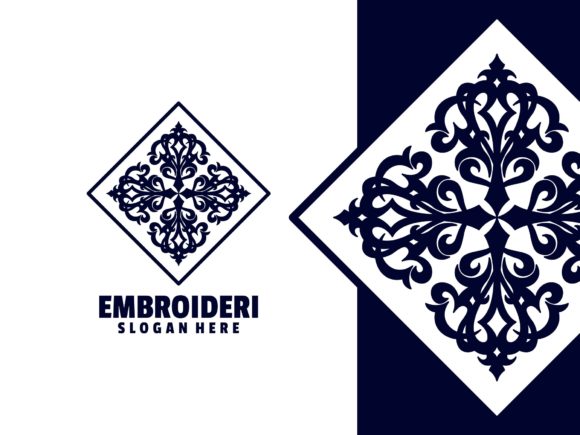
The immediate appeal of the Embroidery Silhouette Logo lies in its clean lines. Because the source file is vector-based, it is fully editable and scalable without losing resolution. For a designer, this is crucial. It means I can shrink it down for a subtle chest logo on a polo or blow it up for a bold statement on a tote bag without worrying about pixelation or jagged edges before I even begin the digitizing process.
The mood is professional yet versatile. It does not scream "novelty," which makes it safe for commercial use. Whether you are branding a small shop product or creating a personalized gift, the silhouette style offers a modern aesthetic. However, remember that fonts are not included. You will need to obtain them from the specific websites indicated in the font links file. This is actually a benefit; it allows you to pair the silhouette with a typeface that matches your brand voice, rather than being stuck with a generic default.
Real-World Application: The Tote Bag Test
To truly evaluate any machine embroidery design, you must imagine it on fabric. I visualized using this logo for a custom embroidered tote bag, a staple item for many handmade product sellers. Canvas is a forgiving fabric, but it has a distinct texture. A complex design with tiny details often gets lost in the weave. The Embroidery Silhouette Logo, with its bold shapes, stands up well to this challenge.
If I were producing this for a client, I would likely use a combination of satin stitch for the borders and a light fill stitch for larger areas. The scalability means I can adjust the size to fit a standard 5x7 hoop comfortably. For a boutique branding project, this level of clarity builds customer trust. When a buyer sees a crisp, well-defined logo on their bag, they perceive higher value. It signals professionalism, which is essential for anyone running a small shop product line.
Navigating Fabric and Stitch Challenges
While the vector nature of the file is a strength, it does not automatically solve embroidery physics. Here is where practical judgment comes in. If you plan to use this design on stretchy fabric, such as a sweatshirt or baby clothes, you must be cautious. A large, dense silhouette can cause puckering if not properly supported.
- Stabilizer is non-negotiable: Always use a cut-away stabilizer for knits to prevent distortion after washing.
- Check stitch density: Since you are editing the vector, ensure you do not create areas that are too dense for the thread to cover smoothly. Too much density leads to thread breaks and fabric stiffness.
- Fabric texture matters: On textured fabrics like terry cloth towels, fine details vanish. This logo works best when kept bold and simple.
I also considered using this for an embroidered patch. Patches require high contrast and clear edges. The silhouette format is ideal here, provided you choose thread colors that pop against the backing fabric. A dark thread on a dark patch background will render the design invisible, no matter how good the original vector is.
Commercial Viability and Branding
For commercial embroidery projects, consistency is key. The fact that the Embroidery Silhouette Logo is scalable allows for brand consistency across different items. You can use the same core shape on a cap, an apron, and a pillow cover, adjusting only the size. This versatility is a huge time-saver for designers managing multiple product lines.
However, be mindful of curved surfaces. Embroidering on a cap requires careful hooping and often a smaller version of the design to avoid distortion around the seam. The vector file allows you to resize it precisely for these tricky areas. Always test the design on scrap fabric first. Do not skip this step. What looks perfect on your monitor might behave differently on your specific machine with your specific thread tension.
Practical Designer Notes for Success
Before you commit to a full production run or list a new item on your store, keep these technical considerations in mind:
- Verify Licensing: While the graphic is editable, always confirm licensing terms before selling finished items or digital products. Ensure your usage aligns with the provider's rules for design assets.
- Font Selection: Since fonts are not included, take time to find a free font that complements the silhouette. A mismatched font can ruin the professional look of the logo.
- Contrast Testing: Create black and white mockups to check visibility. If the design relies on subtle color shifts, it may fail in embroidery where thread colors are solid.
- Hoop Size Confirmation: Check your machine's maximum hoop size. Even though the vector is scalable, you are limited by your hardware.
For those creating holiday embroidery gifts or wedding favors, this logo can serve as a sophisticated base. Add seasonal elements around the silhouette, but keep the core logo intact to maintain recognition. The clean lines allow for easy integration with other decorative stitches, such as running stitch accents or applique elements.
Final Verdict on Usability
The Embroidery Silhouette Logo is a strong contender for designers who need flexibility. It is not just a static image; it is a starting point for creativity. Its vector foundation ensures that you retain control over quality, which is rare in pre-made embroidery file collections. Whether you are making a personalized gift for a friend or stocking your online store with custom apparel, this design offers the structural integrity needed for professional results.
Remember, the best applique design or stitched logo is one that respects the material it lives on. Use this tool wisely, respect the limitations of your fabric and machine, and you will create pieces that customers are proud to wear and use. Keep your stabilizer handy, your threads fresh, and your expectations realistic. Happy stitching.