Evaluating Embroidery T Shirt Design Retro for Real Use
As a designer who has spent years translating digital concepts into tangible thread, I approach every new machine embroidery design with a mix of curiosity and caution. We have all been there: staring at a crisp preview on a screen, wondering if the lines will hold up under the needle or if the density will pucker the fabric. Today, I am taking a close look at Embroidery T Shirt Design Retro, a digital asset that promises vintage charm for modern makers. This is not just about aesthetics; it is about how this graphic performs when it leaves the monitor and enters the hoop.
First Impressions and Visual Personality
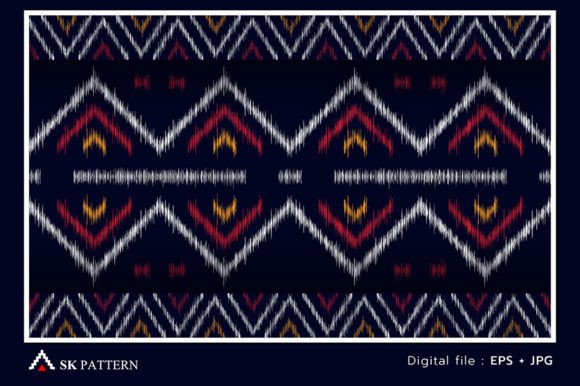
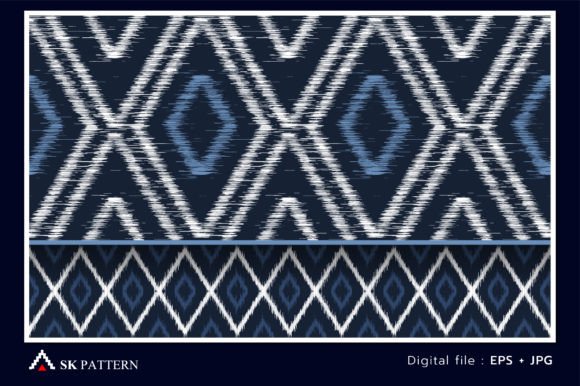
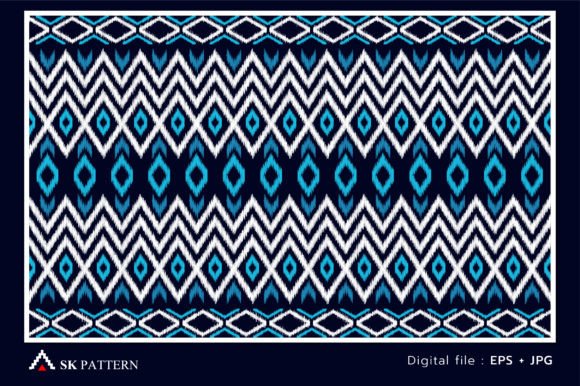
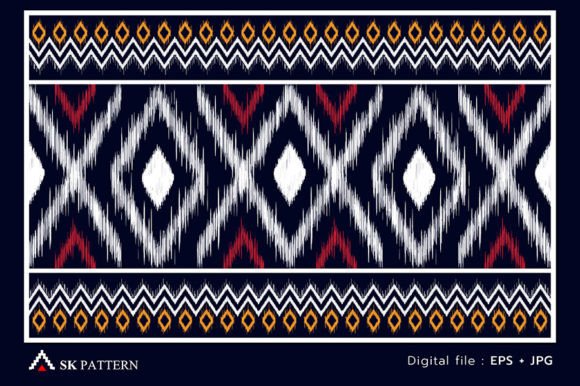
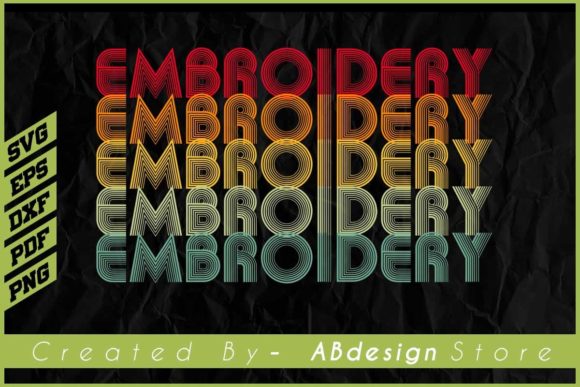
The immediate appeal of Embroidery T Shirt Design Retro lies in its nostalgic weight. It does not try to be overly complex or hyper-realistic. Instead, it leans into the bold, simplified shapes that define retro typography and iconography. For an embroidery project, this is often a blessing. Complex gradients and tiny details can get lost in translation, but strong, clean lines tend to stitch out beautifully. The mood is playful yet grounded, evoking the feel of classic diner signage or vintage athletic wear. This visual personality makes it versatile, fitting naturally into categories ranging from casual streetwear to cozy home decor.
When evaluating this as part of your design assets, consider the balance between negative space and filled areas. A retro style often relies on thick strokes, which translates well to satin stitch or dense fill stitch applications. However, the success of the final look depends heavily on how you interpret these digital lines into thread. The design feels substantial, suggesting it would anchor a garment nicely without looking flimsy or amateurish.
Real-World Application Scenarios
To truly understand the value of this file, I imagined a specific client request: a local coffee shop owner wanted branded merchandise that felt authentic rather than corporate. They needed something that worked on heavy canvas tote bags and soft cotton sweatshirts. Embroidery T Shirt Design Retro emerged as a strong candidate for this custom apparel line. On a tote bag, the bold lines of the design would stand out against the textured weave of the canvas, creating a durable and stylish tote bag design that customers would actually use.
For sweatshirt embroidery, the design’s structure is crucial. Sweatshirts are thick, and the needle has to work harder to penetrate the layers. A design with clear, defined edges prevents the "muddy" look that can happen when stitches bleed into each other on fuzzy fabrics. I could also see this working exceptionally well for embroidered patch creation. Patches require designs that are self-contained and robust, and the retro aesthetic lends itself perfectly to the bordered, badge-like appearance that patches often feature.
Beyond apparel, this graphic has potential in home goods. Imagine it stitched onto a set of kitchen towels or a pillow cover. The holiday embroidery market, in particular, loves retro vibes for seasonal items. Whether it is a Halloween motif or a Christmas sweater vibe, the timeless nature of retro design ensures it does not feel dated after one season. For Etsy sellers and small shop product creators, this versatility is key to maximizing the return on a single digital purchase.
Navigating Fabric and Technical Challenges
While the design is strong, no digital embroidery file is universally perfect for every situation. There are specific scenarios where you must proceed with care. First, consider the hoop size. If you are scaling this design down for a baby item, such as a onesie or a small bib, you must check the integrity of the smallest elements. Tiny text or intricate corners can become difficult to stitch cleanly at reduced sizes. Always test a scaled-down version on scrap fabric before committing to a personalized gift.
Fabric texture plays a massive role here. On smooth, tightly woven cotton, the design will look crisp. However, on loose-weave linen or stretchy jersey knits, the stability of the stitches becomes a concern. For stretchy fabrics like t-shirts, using a high-quality cut-away stabilizer is non-negotiable. Without proper support, the weight of the thread colors and the tension of the stitches can distort the garment, ruining the fit and the look. Dark fabrics present another challenge. If the design relies on subtle shading, it may disappear on black or navy materials. In such cases, opting for high-contrast thread colors is essential to maintain visibility and impact.
Additionally, be mindful of stitch density. Retro designs can sometimes be deceptively dense. If the file uses heavy fill stitches over a large area, it can create a stiff patch on the fabric. This might be desirable for a structured cap but uncomfortable for a soft baby blanket. Reviewing the stitch count and density map before running the machine can save you from wasted thread and ruined fabric.
Commercial Viability and Brand Consistency
For those running a craft business, the professionalism of your finished product directly impacts customer trust. A clean, well-executed embroidery job signals quality. Embroidery T Shirt Design Retro offers a polished look that can elevate perceived value. When used in commercial embroidery projects, consistency is vital. Ensure that your thread colors match your brand palette exactly. Using this design across various products, from aprons to hats, can help build a cohesive brand identity.
It is also important to clarify the usage rights. The product description notes this is a digital download only and lists uses such as scrapbooking, cut machines, vinyl decals, and clothes printing. As an experienced reviewer, I must advise you to verify the specific license terms for machine embroidery if you intend to sell physical finished goods. While many designers allow commercial use of finished items, some restrict the resale of the digital file itself or require attribution. Always read the fine print to protect your small business from legal issues.
Practical Designer Notes for Best Results
Before you load this embroidery file into your machine, take a moment to prepare. Here are my top recommendations for getting the best result:
- Test on Scrap Fabric: Never skip this step. Use the same type of fabric and stabilizer you plan to use for the final product.
- Check Thread Contrast: View the design in black and white to ensure the shapes are distinct even without color. This helps identify potential clarity issues.
- Inspect Small Details: Zoom in on the digital preview. Are there any tiny isolated stitches that might pull out? If so, consider editing them out or simplifying the area.
- Confirm Hoop Size: Ensure the design fits comfortably within your hoop, leaving enough margin for the frame to grip the fabric securely.
- Use Proper Stabilizer: Match the stabilizer to the fabric weight. Tear-away for stable wovens, cut-away for knits, and wash-away for delicate or sheer fabrics.
In conclusion, Embroidery T Shirt Design Retro is a compelling addition to any designer’s library. It bridges the gap between nostalgic appeal and modern manufacturing capabilities. By understanding its strengths and respecting its technical requirements, you can create stunning handmade products that resonate with customers. Whether you are decorating a single personalized gift or stocking your online store with unique printable mockup ready items, this design offers the flexibility and charm needed to succeed in today’s creative marketplace.