Duck Embroidery: A Designer’s Review for Boutique Sweatshirts
As an embroidery designer who has spent years refining digitized art for commercial apparel, I approach every new machine embroidery design with a critical eye. It is not just about whether the image looks cute on a screen; it is about how that design translates into thread, how it interacts with fabric texture, and ultimately, how it elevates a small shop product in a crowded marketplace. Recently, I evaluated Duck Embroidery for a potential limited-run sweatshirt drop for a boutique brand client, and the results were surprisingly versatile.
First Impressions: Mood and Stitching Personality
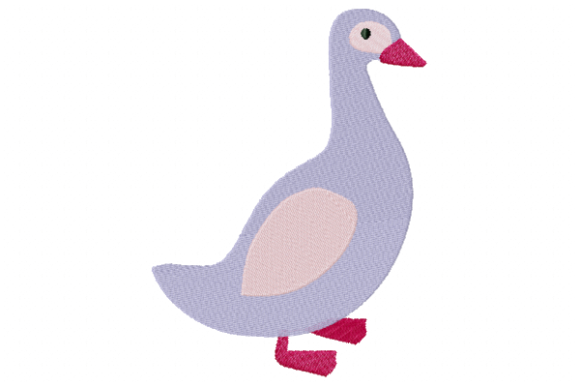
The initial visual impact of Duck Embroidery is charming yet refined. In the Embroidery world, animal motifs can often lean too heavily into the childish or the overly complex. This design strikes a balance that feels appropriate for a modern boutique brand. The layout suggests a playful but minimal aesthetic, making it suitable for both children’s wear and adult casualwear. When I zoomed in to inspect the potential stitch path, the design appeared to have a clean structure. For a handmade product, this clarity is essential. It suggests that the final finished product will look crisp rather than muddy, which is a common pitfall when digitizing small details for thick fabrics.
The mood here is decidedly cozy and rustic. It does not scream for attention with aggressive boldness; instead, it invites a closer look. This subtlety is what drives customer engagement in high-end retail. A custom apparel piece needs to feel intentional, and this duck motif carries a sense of whimsical sophistication that fits well within current trends favoring nature-inspired and pastoral themes.
Application on Sweatshirts and Hoodies
The primary test for any sweatshirt embroidery project is how the design sits on heavy cotton blends. I envisioned this hoodie design placed on the left chest of an oversized, neutral-toned sweatshirt. On cream, oatmeal, or soft gray fabrics, the duck creates a lovely focal point without overwhelming the garment. The contrast is key here. If you are using dark fabric, such as charcoal or navy, you must carefully select your thread colors to ensure the design remains visible. A muted pastel thread on a dark background can get lost, whereas a bright white or vibrant yellow might pop too aggressively if the goal is a premium, understated look.
For pastel-colored hoodies, the design takes on a softer, more feminine appeal. It works beautifully as a sleeve accent, offering a surprise detail that customers love to discover. However, placement is crucial. Because this is likely a smaller motif, it needs to be centered perfectly within the hoop size constraints of your machine. An off-center duck on a sleeve can look like a mistake rather than a design choice. I also considered this for back designs, but given its scale, it would need to be significantly enlarged, which might compromise the integrity of the original digitization unless the file supports high-resolution scaling.
Technical Considerations for Production
Before running a production batch, there are several practical concerns every Etsy seller and apparel decorator must address. The description notes that this digital embroidery file comes with multiple formats, which is excellent for compatibility across different machine brands. However, it does not specify the exact stitch count or recommended hoop dimensions. As a professional, I always advise checking these details in the included documentation before purchasing or starting a job.
Stitch density is another critical factor. Sweatshirts are thick, and if the density is too high, the fabric can pucker or become stiff. If the density is too low, the underlying fabric might show through, ruining the clean look. For a commercial embroidery run, you want a design that is robust enough to withstand industrial washing machines. I recommend testing the design on a scrap piece of your actual sweatshirt material first. Pay close attention to the stabilizer choice. A cut-away stabilizer is usually best for knits and heavy fleece to prevent distortion over time, ensuring the design assets translate into a durable wearable item.
Small-size readability is also a concern. If you plan to shrink this design for a pocket placement or a child’s garment, ensure the finer details of the duck’s features do not merge into a blob of thread. The fabric texture of fleece can hide fine lines, so a design with slightly bolder outlines often performs better than one with intricate, hair-thin stitches.
Enhancing Brand Identity and Value
Using a distinctive motif like Duck Embroidery can significantly boost your brand identity. In the Birds category of design, having a signature style helps with visual recognition. When customers see that specific duck stitch, they should immediately think of your shop. This consistency builds buyer trust. A well-executed embroidered logo or motif signals quality. It tells the customer that this is not a mass-produced print that will crack after three washes, but a crafted handmade product with inherent value.
For your online presence, this design lends itself well to lifestyle product photography. Imagine a cozy scene with a steaming mug and the sweatshirt draped over a chair, highlighting the textured embroidery. These images serve as powerful printable mockup alternatives, showing the real depth and shadow of the threads. This authenticity drives higher conversion rates for small shop product listings. It differentiates your offerings from competitors who rely solely on flat digital prints.
Final Verdict for Creative Entrepreneurs
In conclusion, Duck Embroidery is a strong contender for any creative entrepreneur looking to add character to their apparel line. It bridges the gap between cute and premium, making it versatile for various demographics. Whether you are creating gifts for children or stylish loungewear for adults, this design holds up under scrutiny. Just remember to verify the technical specifications regarding hoop size and file compatibility before you begin. With the right thread choices and stabilizer setup, this embroidery file can become a staple in your design assets library, helping you create memorable, high-quality pieces that resonate with your audience.