Hoppy 4th of July Embroidery: A Designer’s Review
As an embroidery designer who has spent countless hours digitizing, stitching, and troubleshooting designs for clients, I approach every new machine embroidery design with a critical eye. It is not just about whether the image looks cute on a screen; it is about how those stitches translate to fabric, how they hold up in the wash, and whether they add genuine value to a finished product. Recently, I evaluated the Hoppy 4th of July Embroidery design to determine its viability for real-world projects. This review breaks down the aesthetic appeal, technical performance, and commercial potential of this festive motif.
First Impressions and Visual Personality
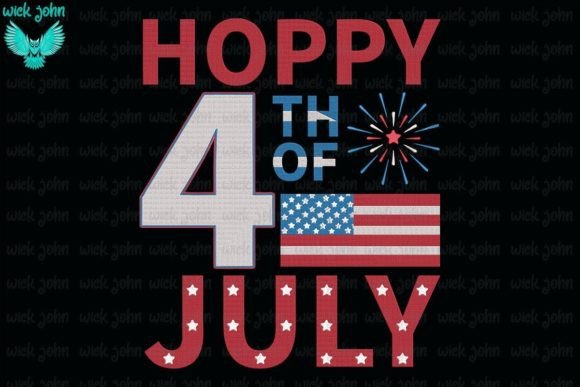
The initial impact of the Hoppy 4th of July Embroidery is one of playful patriotism. By combining the whimsical imagery of a bunny with traditional Independence Day themes, the design creates a unique mood that bridges the gap between springtime charm and summer celebration. For designers, this hybrid theme is valuable because it extends the shelf life of holiday inventory. It is not just for July fourth; it fits comfortably into early summer collections.
The layout appears balanced, avoiding the common pitfall of overcrowding small spaces with excessive detail. The visual personality is friendly and approachable, making it an excellent candidate for items intended for children or casual home decor. However, a seasoned eye must look beyond the preview image. We need to consider how the shapes will render when converted into thread. Does the design rely heavily on satin stitch for crisp edges, or does it use fill stitch areas that might cause puckering on lightweight fabrics? These are the questions that determine whether a design is merely decorative or professionally viable.
Real-World Application: The Tote Bag Test
To truly understand the utility of this design, I imagined a specific scenario: creating a custom embroidered tote bag for a local craft fair. Tote bags are a staple for any Etsy seller or small shop owner because they are high-volume, low-cost items that serve as walking advertisements. Using the Hoppy 4th of July Embroidery on a canvas tote requires careful consideration of stitch density.
If the design is too dense, the heavy canvas may distort, or the bag may become stiff and unpleasant to carry. If it is too light, the background fabric might show through, ruining the vibrancy of the red, white, and blue thread colors. In my assessment, this design seems well-suited for medium-weight fabrics like cotton twill or denim. It would likely struggle on very thin linen unless a high-quality cut-away stabilizer is used. For a handmade product intended for daily use, durability is key. The design must withstand frequent washing without losing its shape or color integrity.
Versatility Across Product Lines
Beyond tote bags, the versatility of this embroidery file opens doors for various custom apparel and home goods. Here is how it performs across different categories:
- Sweatshirt Embroidery: The soft texture of fleece provides an excellent base for festive designs. The contrast of bright threads against navy or heather gray sweatshirts can make the Hoppy 4th of July Embroidery pop, creating a cozy yet celebratory look.
- Baby Embroidery: Parents love personalized items. Applying this design to onesies or burp cloths adds a touch of holiday spirit. However, caution is required. Baby skin is sensitive, so ensuring there are no scratchy jump stitches or overly dense backing is crucial. A soft tear-away stabilizer is recommended here.
- Embroidered Patch: Creating iron-on patches is a growing trend for craft business owners. This design’s clear outlines suggest it would translate well to a patch format, allowing customers to apply the festive motif to jackets, hats, or backpacks later.
- Home Decor: Think pillow covers or kitchen towels. A tote bag design often translates well to rectangular home goods. The festive theme makes it a perfect gift item for hostesses during summer barbecues.
Technical Considerations for Professional Results
While the aesthetic is charming, technical execution is where many projects fail. When working with the Hoppy 4th of July Embroidery, several factors demand attention. First, consider the hoop size. If the design is large, ensure your machine can accommodate it without re-hooping, which can lead to misalignment. For smaller items like caps or baby clothes, you may need to resize the design. Resizing can alter stitch density, so always test on scrap fabric first.
Fabric texture plays a significant role in the final outcome. On textured fabrics like terry cloth or waffle knit, fine details may get lost. In such cases, simplifying the design or using thicker threads might be necessary. Conversely, on smooth fabrics like polyester blends, the stitches will appear sharper, but you must watch for puckering. Using the correct stabilizer is non-negotiable. For stretchy fabrics, a cut-away stabilizer provides the necessary support to prevent distortion after washing.
Another critical aspect is color contrast. The patriotic theme relies on red, white, and blue. On dark fabrics, white thread can sometimes look gray or dirty if not stitched densely enough. On light fabrics, dark blue provides strong definition. I recommend testing the design in black and white mockups to check for clarity. If the design loses its definition in grayscale, it may have issues with contrast in real-life lighting conditions.
Commercial Viability and Brand Consistency
For digital embroidery file sellers and small shop product creators, the commercial potential of this design is strong. Independence Day is a major retail holiday in the US, and consumers are actively seeking unique, non-generic decorations. The "hoppy" twist offers a niche appeal that stands out from standard flag or eagle motifs. This uniqueness can drive higher engagement on social media and increase conversion rates for Etsy listings.
However, professionalism is paramount. Customers judge the quality of a finished product by its presentation. Loose threads, uneven tension, or poor placement can damage brand trust. Before listing items made with the Hoppy 4th of July Embroidery, ensure that every piece meets high standards. Use high-quality design assets for your printable mockup previews to set accurate expectations. Clear, honest photography builds customer confidence and reduces return rates.
Final Designer Notes
Before committing to a large production run or selling the digital embroidery file commercially, take these practical steps:
- Check Licensing: Confirm whether the design allows for commercial use. Some designers restrict the number of physical items you can sell. Always read the terms provided with the embroidery project files.
- Test Stitch Out: Never skip the test stitch. Use similar fabric and stabilizer to what you plan to sell. Check for thread breaks, nesting, or registration issues.
- Evaluate Detail Level: Look closely at small elements. Are there tiny satin stitches that might snag? If so, consider adding tack-down stitches or simplifying those areas.
- Consider Washability: Wash your test sample multiple times. Does the fabric pucker? Do the colors bleed? This step is essential for maintaining customer satisfaction.
In conclusion, the Hoppy 4th of July Embroidery is a promising addition to any designer’s library. It offers a fresh take on holiday themes with broad application potential. By paying attention to technical details like stabilizer choice, stitch density, and fabric compatibility, you can transform this digital asset into a high-quality personalized gift or best-selling commercial embroidery item. Whether you are decorating a sweatshirt embroidery project or creating a unique embroidered patch, this design invites creativity while demanding professional precision.